Saturday Night Used to Cost Less Than a Tank of Gas: How Going Out Became a Rich Person's Hobby
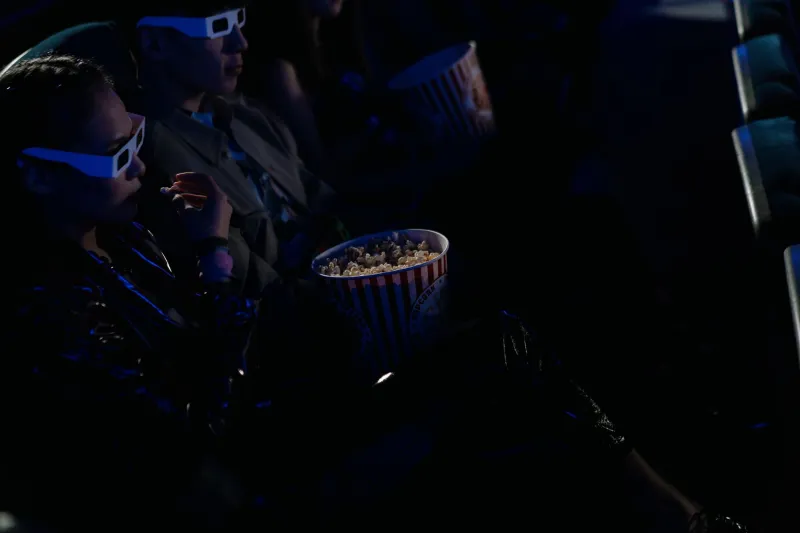
There's a moment in almost every parent's evening out when the math stops making sense. You're standing at a movie theater concession stand, staring at a menu that lists a large popcorn for nine dollars and a soda for six, and you do the quiet arithmetic in your head. Two adults, two kids, tickets, snacks — you've just spent the better part of a hundred dollars to watch a two-hour film in a darkened room. Your parents did this every other weekend without thinking twice about it.
That gap between then and now isn't just nostalgia. It's real, it's measurable, and it tells a much bigger story about who gets to participate in American cultural life.
What a Night Out Actually Cost in 1975
In 1975, the average movie ticket in the United States cost around $2.05. Adjusted for inflation, that's roughly $11.50 in today's money — which sounds almost reasonable until you realize the actual average ticket price today sits closer to $13 to $15, and in major metro areas like New York or Los Angeles, premium formats can push $25 or more per seat.
But the ticket price is only part of the story. A family of four in 1975 could realistically spend $10 to $12 for an entire night at the movies — popcorn, drinks, and all. That same outing today will run $75 to $100 without much effort, and that's before you factor in parking, a babysitter, or dinner beforehand.
Concert tickets tell an even starker story. In 1970, a ticket to see a major touring act — think the Rolling Stones or Led Zeppelin — cost between $5 and $7. In today's dollars, that's roughly $40. When the Rolling Stones toured in 2024, tickets started at $150 and routinely climbed into the thousands for decent seats. A band that once played for working-class kids now performs primarily for people who can absorb a $300 impulse purchase.
The Middle-Class Squeeze Nobody Talks About
The economic term is "cost disease," but the lived experience is simpler: the things that used to make an ordinary weekend feel special have become financial decisions. Broadway shows, live sporting events, theme parks — these were never cheap, but they were within reach. A family road trip to Disney World in 1985 cost around $200 in total park admission. Today, a single-day ticket can exceed $189 per person, and that's before the add-ons, the food, or the hotel.
NFL game attendance offers another angle. In 1985, the average ticket to a regular-season game cost about $14 — call it $40 in today's money. The actual average NFL ticket price now hovers around $151, with playoff games and premium matchups pushing well beyond that. The working-class fan who used to tailgate every Sunday has largely been replaced by a corporate account or a wealthier demographic who treats the stadium like a networking event.
Middle-income Americans haven't stopped wanting these experiences. They've just been gradually priced out of having them as routinely as their parents did.
How Streaming Became the Consolation Prize
Here's where it gets interesting. The rise of Netflix, Hulu, Disney+, Spotify, and a dozen other subscription platforms is often framed as a revolution in consumer choice. And in some ways it genuinely is — access to content has never been broader or more democratic.
But look at it from another angle, and streaming starts to look like what happened when live entertainment became unaffordable for a significant chunk of the population. Americans didn't choose to stay home instead of going to concerts and movies because the couch got more comfortable. They stayed home because the math stopped working.
And even the streaming consolation prize has gotten more expensive. The average American household now pays for 4.5 streaming services, according to recent surveys, spending around $60 to $80 per month on subscriptions. That's still cheaper than a single family night at the movies, but it's a far cry from the "cord-cutting will save you money" promise of a decade ago.
The Experience Economy — But Only If You Can Afford It
There's a popular idea in marketing circles called the "experience economy" — the notion that modern consumers prefer spending on experiences over things. It sounds appealing. But what it often glosses over is that the experiences being sold are increasingly priced for upper-income brackets.
Food festivals, music festivals, immersive art installations, live theater — these have become status markers as much as entertainment. Coachella general admission runs $600 before travel and lodging. A decent seat at a Broadway show costs $200 on a good day. Even minor league baseball, long the affordable alternative to the majors, has seen ticket and concession prices climb steadily over the past decade.
What's quietly disappeared is the in-between space — the affordable live experience that wasn't a splurge but wasn't free either. The drive-in movie. The $3 matinee. The general admission concert where you stood in a field and didn't worry about what it cost.
What We Actually Lost
This isn't just about money. When entertainment becomes expensive, it becomes occasional. And when it becomes occasional, it stops being the shared cultural glue it once was.
The neighborhood movie theater where everyone in town saw the same film opening weekend, the summer concert in the park that didn't require a wristband and a credit card — these weren't just cheap nights out. They were the moments where communities overlapped, where people from different income levels sat in the same room and had the same experience.
That common ground is harder to find now. And the price on the ticket stub is a big part of why.
Somewhere along the way, a Saturday night stopped being something you just did and became something you planned for, budgeted for, and occasionally had to skip. That shift happened so gradually that most of us barely noticed — until we did the math and realized our parents' version of a good time is now a line item.