Then vs Now — The World Changed More Than You Think

Era Flipper

Then vs Now — The World Changed More Than You Think

Latest Articles

When Your Handwriting Actually Mattered: How America Went from Signatures to Invisible Money
Finance

When Your Handwriting Actually Mattered: How America Went from Signatures to Invisible Money

Your signature used to be your financial identity—practiced, protected, and personally verified by people who knew what it should look like. Now you can buy groceries with your phone while wearing gloves, and nobody asks who you are.

Your Doorstep Used to Have a Social Schedule: When America's Delivery Men Knew Your Family Better Than Facebook
Food & Culture

Your Doorstep Used to Have a Social Schedule: When America's Delivery Men Knew Your Family Better Than Facebook

The milkman arrived every Tuesday and Thursday, knew you took cream but not butter, and could tell when someone in your house was sick. Today's delivery drivers drop packages and disappear without ever learning your name.

When Nature Called the Shots: How Snow Days Went from Childhood Magic to Parental Panic
Culture

When Nature Called the Shots: How Snow Days Went from Childhood Magic to Parental Panic

Remember when a snow day meant waking up to your school's name crackling through the radio and disappearing outside until dinnertime? Today's snow days trigger app notifications, virtual learning pivots, and working parents scrambling for backup plans.

Eight Weeks in the Woods With Nothing But a Postcard: When American Parents Actually Trusted Summer
Culture

Eight Weeks in the Woods With Nothing But a Postcard: When American Parents Actually Trusted Summer

Before cell phones and helicopter parenting, American kids disappeared into summer camps for months at a time. Parents got a postcard every few days and somehow survived the silence.

The Four-Year Ticket to the Middle Class Just Became a Six-Figure Gamble
Finance

The Four-Year Ticket to the Middle Class Just Became a Six-Figure Gamble

A college degree once guaranteed middle-class prosperity and immediate employment. Today's graduates face crushing debt, unpaid internships, and entry-level jobs that require five years of experience.

Your Corner Pharmacist Used to Be Your Family Doctor's Best Friend — Now They're Just Scanning Barcodes
Health

Your Corner Pharmacist Used to Be Your Family Doctor's Best Friend — Now They're Just Scanning Barcodes

The neighborhood pharmacist once knew your medical history better than you did and could diagnose problems with a glance. Today's pharmacy experience involves drive-through windows and workers who barely have time to count pills.

From Church Halls to Financial Events: How American Weddings Became Luxury Productions
Finance

From Church Halls to Financial Events: How American Weddings Became Luxury Productions

A 1960s wedding cost about $900 and happened in the church basement. Today's average couple spends $35,000 on a single day, often starting married life in debt for the perfect Instagram moment.

Five Ingredients or Fifty: How American Food Labels Became Chemistry Textbooks
Food & Culture

Five Ingredients or Fifty: How American Food Labels Became Chemistry Textbooks

A 1960s loaf of bread contained flour, water, yeast, salt, and sugar. Today's version lists twenty-five ingredients, including compounds most Americans can't pronounce. Here's how our food quietly transformed.

When Knowledge Required a Journey: How Americans Searched for Answers Before the Internet
Culture

When Knowledge Required a Journey: How Americans Searched for Answers Before the Internet

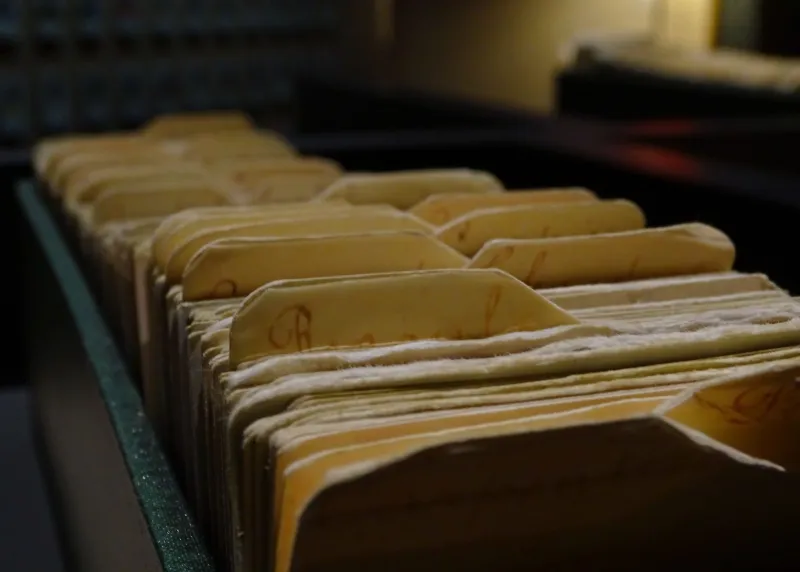
Before Google, finding a simple fact could take hours or days. Americans once relied on card catalogs, encyclopedias, and reference librarians who treated every question like a detective case worth solving.

Sunday Best Was Everyday Decent: When Americans Dressed Like They Cared Where They Were Going
Culture

Sunday Best Was Everyday Decent: When Americans Dressed Like They Cared Where They Were Going

Your grandfather wore a suit to baseball games, and your grandmother wouldn't be caught dead at the grocery store without lipstick and heels. Somewhere between then and now, America collectively decided that comfort trumped everything else.

Six O'Clock Sharp Meant Six O'Clock Sharp: When American Families Actually Ate Together
Food & Culture

Six O'Clock Sharp Meant Six O'Clock Sharp: When American Families Actually Ate Together

For most of American history, family dinner wasn't a suggestion or aspiration—it was simply what happened every evening at the same time, around the same table, with the same people. Then life got complicated.

When a Quarter Got You a Business License: How America Made Kid Entrepreneurs Extinct
Culture

When a Quarter Got You a Business License: How America Made Kid Entrepreneurs Extinct

Once upon a time, setting up a lemonade stand required nothing more than a folding table and entrepreneurial spirit. Today's young business owners face permits, insurance concerns, and neighborhood regulations that would make a Fortune 500 CEO weep.

Your Teeth Were Cheaper Than Your Shoes: How America's Dental Bills Exploded
Health

Your Teeth Were Cheaper Than Your Shoes: How America's Dental Bills Exploded

In 1955, a filling cost $3 and a cleaning was $5 — affordable on any working wage. Today, basic dental work can drain your savings faster than a car repair. Here's how America's dental care went from everyday expense to financial nightmare.

A Handshake and a Promise: When Buying Your First Home Took Three Days, Not Three Months
Finance

A Handshake and a Promise: When Buying Your First Home Took Three Days, Not Three Months

In 1955, buying a house meant walking into your local savings and loan, chatting with someone who knew your family, and closing the deal before the weekend. Today's homebuyers navigate a maze of inspections, appraisals, and paperwork that would have seemed like pure fiction to their grandparents.

When Getting Hired Meant Looking Someone in the Eye: How America Turned Job Hunting Into an Endurance Test
Culture

When Getting Hired Meant Looking Someone in the Eye: How America Turned Job Hunting Into an Endurance Test

Your grandfather walked into a factory, shook the foreman's hand, and started work Monday. Today's job seekers face months of digital screening, psychological testing, and committee decisions. Here's how America complicated the simple act of getting hired.

Your Neighbor's Word Was Worth More Than Your Credit Score: When Americans Borrowed Money on Trust Alone
Finance

Your Neighbor's Word Was Worth More Than Your Credit Score: When Americans Borrowed Money on Trust Alone

Before algorithms decided your financial fate, getting a loan meant walking into your local bank where the manager knew your family, your work ethic, and whether you paid your debts. This personal approach to lending created opportunities and barriers that would seem impossible in today's credit-score-driven world.

The Doctor Will See You in Six Weeks: When Medical Mysteries Required Time and Intuition
Health

The Doctor Will See You in Six Weeks: When Medical Mysteries Required Time and Intuition

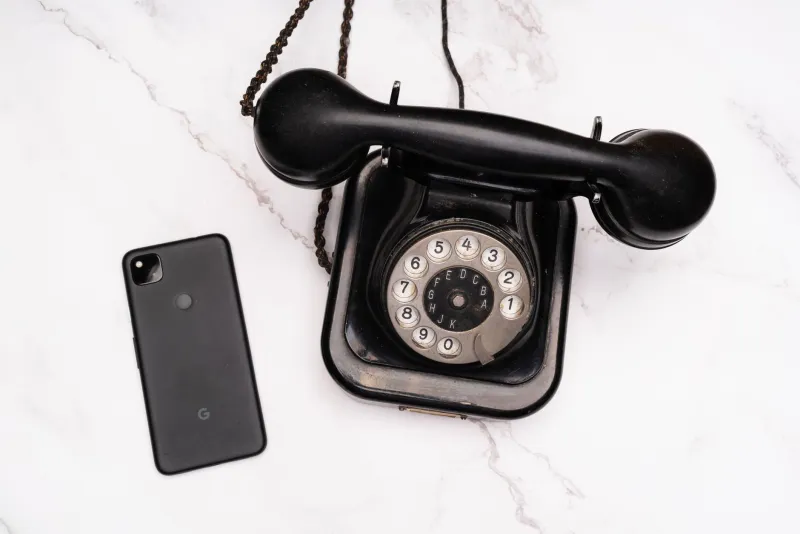
Before MRIs and instant lab results, getting a medical diagnosis was like solving a mystery novel—one clue at a time, often taking weeks or months. Today's patients get genetic testing results on their phones while yesterday's waited anxiously by rotary phones for their doctor's best guess.

When Your Banker Knew Your Mother's Maiden Name Because He Dated Her Sister
Finance

When Your Banker Knew Your Mother's Maiden Name Because He Dated Her Sister

In 1955, getting a loan meant sitting across from someone who knew your family history, not your credit history. Today's algorithm-driven lending has made borrowing faster and fairer in some ways, but we've lost something profound in the process.

Your Word Used to Be Your Bond: When Americans Did Business on Trust Alone
Culture

Your Word Used to Be Your Bond: When Americans Did Business on Trust Alone

Before lawyers became part of every transaction, Americans sealed deals with handshakes and built businesses on reputation. The shift from trust-based commerce to contract-heavy transactions reveals how fundamentally our social fabric has changed.

A Ford Pickup for the Price of Three Paychecks: When Cars Were Actually Affordable
Finance

A Ford Pickup for the Price of Three Paychecks: When Cars Were Actually Affordable

In 1970, buying a brand-new Ford F-150 cost about the same as three months of median wages. Today, that same purchase would eat up nearly a year's salary for the average American worker.