The Man Behind the Counter Already Knew What Was Wrong With Your House
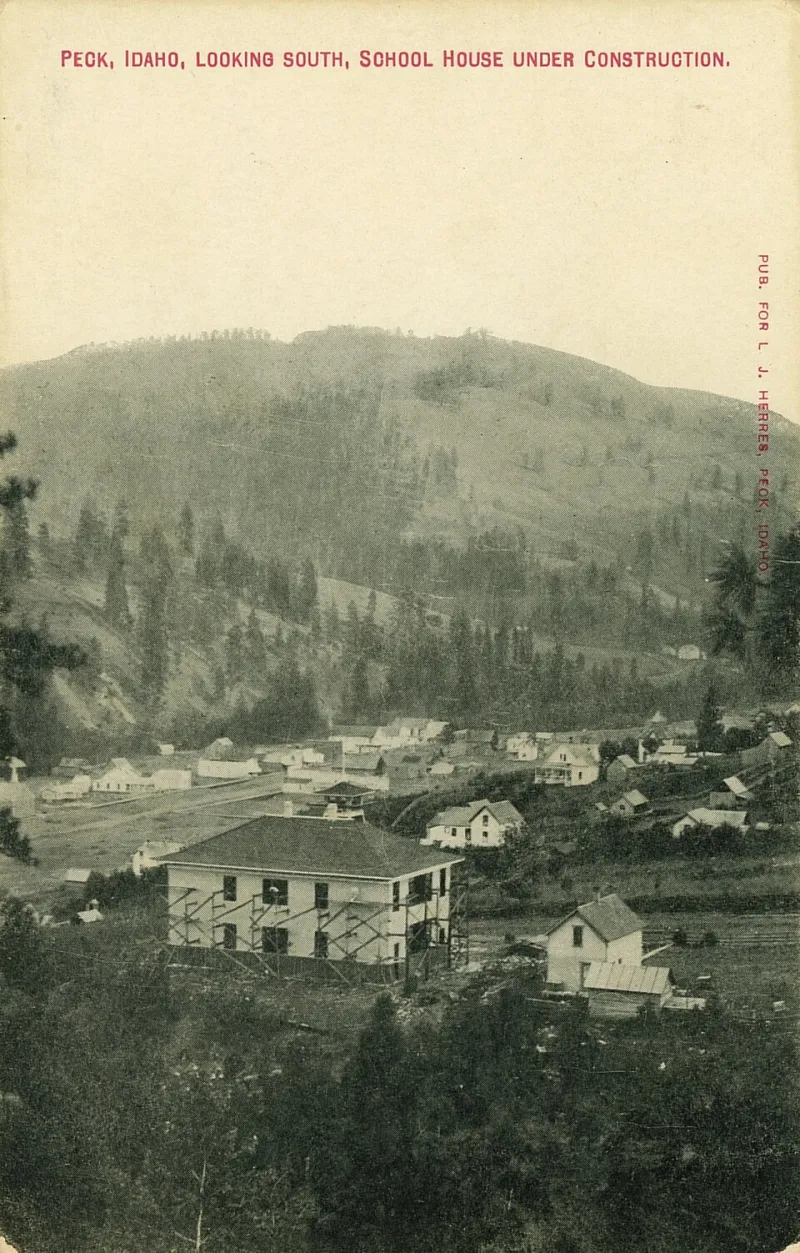
Photo: Steve Shook from Moscow, Idaho, USA, CC BY 2.0, via Wikimedia Commons
Walk In With a Problem, Leave With an Answer
Picture this: It's 1968. Your kitchen faucet has been dripping for three days. You pull off the handle, fish out the old washer, and drive six blocks to Kowalski's Hardware — or Henderson's, or whatever the place on Main Street was called in your town. You walk in, hand the washer to the guy behind the counter, and he squints at it for about four seconds.
"That's a Moen stem. Third shelf, left side. Thirty-nine cents. You'll need the seat wrench too if the seat's pitted — here, I'll show you."
Fifteen minutes later you're home. An hour after that, the faucet is silent.
That exchange — that specific, personal, practical transaction — was the entire point of the American hardware store. And it's almost entirely gone.
The Corner Hardware Store as Community Institution
For most of the twentieth century, the local hardware store occupied a specific and important role in American neighborhood life. It wasn't just retail — it was a knowledge center staffed by people who had spent decades solving the exact problems their customers were walking in with.
The owner often knew the houses on every block in town. He knew which subdivisions had been built with cheap supply lines in the 1950s. He knew that the Victorian homes on Elm Street had original cast-iron pipes that required specific fittings you couldn't find at a chain store. He knew, without being told, that the guy coming in with plaster dust on his shirt probably just pushed a screw anchor through a wall and hit a void.
 Photo: Elm Street, via static1.colliderimages.com
This knowledge was hyper-local and deeply practical. It wasn't written down anywhere. It lived in the heads of people who had spent thirty years talking to homeowners, plumbers, and contractors in a specific zip code.
The selection was deliberately curated. A small hardware store didn't carry fifteen varieties of every product — it carried the two or three that actually worked for the conditions in that area. The owner had already done the filtering for you.
What Big-Box Changed (Besides the Square Footage)
Home Depot opened its first stores in Atlanta in 1979. By the 1990s, the big-box home improvement model had begun systematically absorbing the market share of independent hardware stores across the country. The pitch was compelling: more products, lower prices, longer hours, everything under one roof.
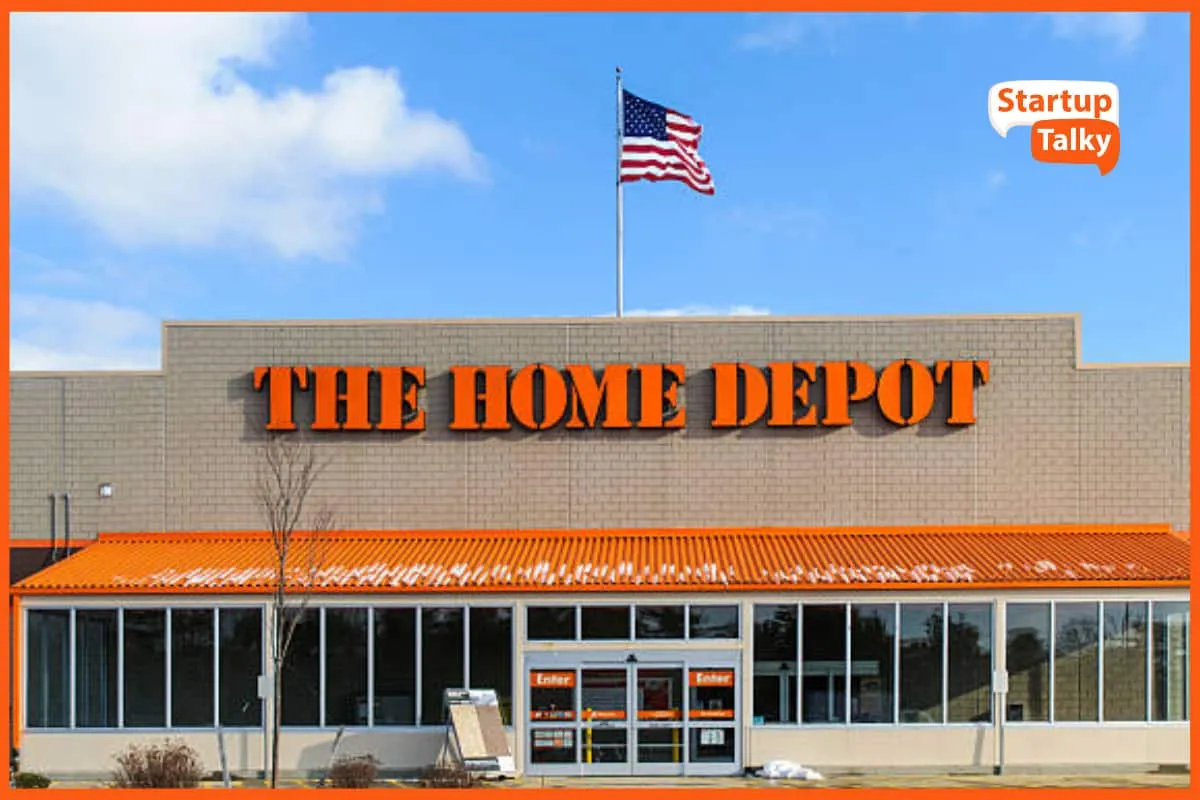 Photo: Home Depot, via static.startuptalky.com
And on those terms, it delivered. Nobody disputes that.
But something structural shifted in the transaction. The big-box model is built on volume and self-service. The assumption is that you already know what you need — you just need to find it in the right aisle. The staff are often trained in customer service and inventory systems, not necessarily in the trades themselves. That's not a criticism of individual employees; it's a description of a business model that prioritizes scale over expertise.
The result is a shopping experience that can be genuinely overwhelming. Home Depot's average store carries around 30,000 to 40,000 products. Walk in with a dripping faucet and you'll find an entire aisle of faucet repair components — dozens of washers, stems, seats, cartridges, and repair kits in packaging that assumes you already know the difference between them. If you don't, you're on your own.
Or you're on YouTube.
The YouTube Tutorial Is Not the Same Thing
To be fair, the internet has filled part of the gap. YouTube is full of competent home repair tutorials, and some of them are genuinely excellent. The "This Old House" channel alone has probably saved American homeowners millions of dollars in unnecessary contractor calls.
But a tutorial filmed in a climate-controlled garage in Phoenix doesn't know that your 1940s Chicago bungalow has non-standard pipe sizing. It doesn't know that the product it recommends isn't compatible with your water hardness. It can't look at the thing you're holding and tell you that you're solving the wrong problem — that the real issue is three steps upstream from what you're focused on.
The local hardware store guy knew all of that. Because he'd seen it before. In your town. In houses like yours.
The Contractor Dependency Cycle
What's happened in the absence of that expertise is a quiet shift in how Americans relate to their own homes. A generation or two ago, the expectation was that a homeowner could handle a wide range of basic repairs — leaky faucets, stuck doors, running toilets, minor electrical issues. The hardware store was the support system that made that expectation realistic.
Today, the default for many homeowners — particularly younger ones who grew up without learning these skills — is to call a contractor for things that would have been routine DIY fixes in 1975. That's partly a skills gap, partly a time constraint, and partly a confidence problem born from walking into a big-box store, staring at forty-seven types of caulk, and deciding it's just easier to pay someone.
The irony is that big-box stores market themselves heavily around DIY culture. The orange aprons, the "You can do it, we can help" messaging — all of it suggests empowerment. But empowerment without guidance often just produces confusion, wrong purchases, and a second trip to the store for the thing you should have bought the first time.
What the Old Model Got Right
The small hardware store worked because it compressed expertise into a human relationship. You didn't have to know what you needed — you just had to describe your problem to someone who did. That lowered the barrier to DIY enormously.
Some of that model survives. Ace Hardware, which operates largely through independently owned franchises, has maintained more of the neighborhood store character than the pure big-box competitors. True Value stores in smaller markets often still have a counter guy who actually knows things. These aren't extinct — they're just rarer.
And they're worth seeking out. Because the most efficient home repair experience isn't the one with the most products. It's the one where someone who knows more than you tells you exactly what to buy, how much of it, and what to do when you get home.
That used to be a six-block drive. Now it's a forty-minute search through a warehouse the size of an aircraft hangar.
Something was gained. Something was also lost. And your faucet is still dripping.