Your Doorstep Used to Have a Social Schedule: When America's Delivery Men Knew Your Family Better Than Facebook
The Rhythm of Regular Visitors
Every American household once operated on an invisible schedule that had nothing to do with work or school. Tuesday and Friday meant the milkman. Wednesday brought the bread truck. Saturday morning, the dry cleaner's van pulled up right on schedule. These weren't just deliveries—they were appointments with people who knew your family's rhythms better than most relatives.
The milkman didn't just drop off bottles and leave. He knew Mrs. Peterson always needed extra cream on holidays, that the Johnsons switched to skim milk when Mr. Johnson started his diet, and that the Williams family would be away for two weeks every July. This wasn't customer data analytics—it was genuine human memory built through years of regular interaction.
When Your Delivery Driver Was Your Neighbor
These delivery routes weren't gig work or side hustles. They were careers that men (and they were almost always men) held for decades. The milkman often lived in the same neighborhood he served. His kids might attend the same schools as his customers' children. He had a stake in the community that went far beyond dropping off dairy products.
This created a web of informal neighborhood surveillance that provided both security and social connection. The bread man noticed when newspapers piled up, suggesting someone might be sick or need help. The dry cleaner knew when families dressed up more often, indicating celebrations or job changes. These observations led to actual conversations and genuine care.
The Predictable Dance of Commerce
Ordering was refreshingly simple. You left a note in an empty milk bottle: "Two quarts milk, one dozen eggs, and some of that good cheese you brought last week." The milkman knew exactly which cheese you meant because he remembered your preferences, your budget, and what you'd enjoyed before.
Payment happened on a weekly or monthly cycle, often through a running tab that required nothing more than trust and a handshake. The milkman kept a little book with each customer's account, and disputes were rare because everyone knew each other well enough to work things out face-to-face.
The Algorithm of Human Memory
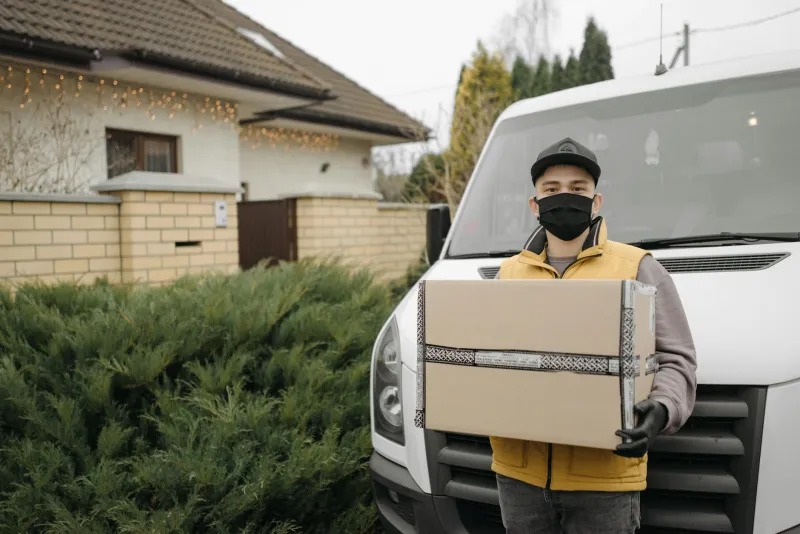
Contrast that intimate system with today's delivery landscape, where efficiency has replaced relationship entirely. Your Amazon driver changes constantly—sometimes multiple times per week. They follow GPS coordinates to your address, scan packages, snap photos, and vanish. The entire interaction is optimized for speed and accuracy, with zero allowance for human connection.
DoorDash drivers know your address and your food preferences, but only through app data. They might deliver to you fifty times without ever learning your name or recognizing your face. The algorithm tracks everything—your favorite restaurants, usual order times, delivery preferences—but no human being holds that knowledge.
When Convenience Had a Face
The old delivery system wasn't faster, but it was deeply personal. When your regular milkman got sick, a substitute would carry detailed notes about each customer's preferences. When families faced financial hardship, delivery men often extended informal credit or quietly reduced quantities without making anyone feel embarrassed.
Modern delivery offers unprecedented convenience. You can order ice cream at midnight and have it delivered in thirty minutes. You can restock your entire pantry without leaving your couch. But this convenience comes wrapped in complete anonymity.
The Social Infrastructure We Lost
Those regular delivery relationships formed part of America's social infrastructure. The milkman, bread man, and other regular visitors created natural check-ins for elderly neighbors, informal news networks for the neighborhood, and economic relationships built on personal trust rather than corporate policies.
When Mrs. Henderson didn't collect her milk for two days, the milkman knocked on her door. When the Garcias needed to change their delivery schedule for a family event, one conversation with the bread man solved everything. These weren't formal social services, but they provided similar benefits through ordinary commercial relationships.
The Efficiency Trap
Today's delivery ecosystem prioritizes optimization above all else. Apps track driver locations, predict delivery times down to the minute, and automatically route orders for maximum efficiency. Customers rate drivers, drivers rate customers, and algorithms constantly adjust to improve metrics like speed and cost-effectiveness.
This system works brilliantly for moving products from warehouses to doorsteps. But it has completely eliminated the human elements that made delivery relationships valuable beyond simple commerce. We've gained speed and lost stories, achieved efficiency and abandoned empathy.
The Personal Touch in an Impersonal Age
Some vestiges of the old system survive in unexpected places. Local farmers who deliver weekly produce boxes often develop relationships with customers that echo the milkman era. Specialty food deliveries—wine clubs, artisanal bread services, meal kit subscriptions—sometimes create ongoing connections between producers and consumers.
But these are exceptions in a delivery landscape dominated by anonymous efficiency. Most Americans now receive multiple deliveries per week from people they'll never see twice, carrying products they ordered from companies they've never visited, paid for through systems that require no human interaction whatsoever.
What We're Really Delivering
The shift from personal delivery relationships to algorithmic fulfillment reflects broader changes in how Americans connect with their communities. We've traded the security of knowing our service providers for the convenience of instant access to everything.
The milkman knew your family because he had to—his livelihood depended on maintaining long-term relationships with satisfied customers. Today's delivery drivers succeed by completing as many transactions as possible, as quickly as possible, for as many different customers as possible.
We've solved the logistics of getting anything to anyone, anywhere, anytime. But we've lost something irreplaceable in the process: the simple human pleasure of being known by the people who show up at our door.