When Nature Called the Shots: How Snow Days Went from Childhood Magic to Parental Panic
The Radio Morning Ritual
Picture this: It's 1982, and six inches of snow blanketed your neighborhood overnight. You wake up and immediately tune into the local radio station, heart pounding as the DJ slowly reads through the alphabetical list of school closures. When you finally hear your school's name, pure joy erupts. No homework. No tests. No schedule. Just an unexpected gift of freedom.
Back then, snow days were gloriously simple. The decision came from one person—usually the superintendent—who looked outside, checked with a few bus drivers, and made the call. Parents found out the same way kids did: through the radio, local TV, or a phone tree that snaked through the neighborhood.
When Kids Disappeared Into Winter Wonderlands
Once that magical announcement hit the airwaves, children vanished into the white landscape like they'd been absorbed by nature itself. No check-ins. No scheduled activities. No screen time limits to negotiate. Kids bundled up in whatever snow gear they could find—often hand-me-downs that didn't quite fit—and stayed outside until their fingers went numb and their mothers called them in for hot chocolate.
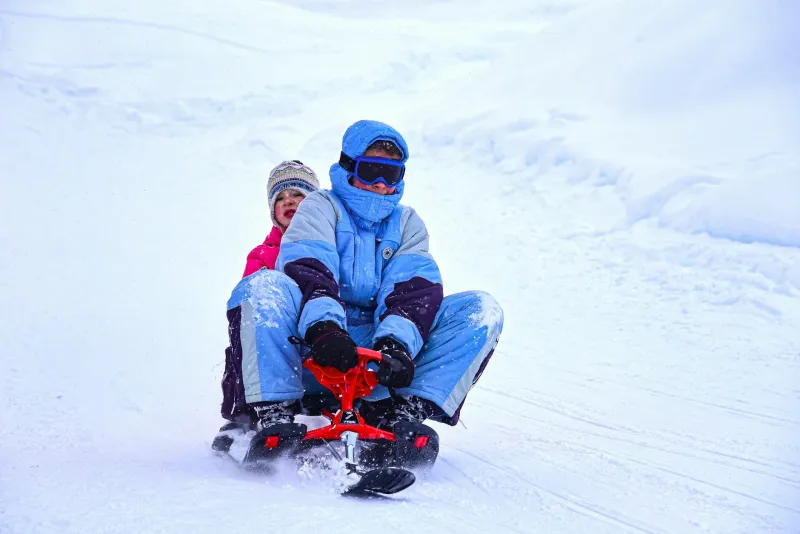
Neighborhood sledding hills became temporary kingdoms. Kids built snow forts that would make military engineers proud. The lucky ones with flexible flyers ruled the slopes while others made do with garbage can lids and cafeteria trays "borrowed" from school.
Parents? They were remarkably calm about the whole thing. Mom might worry if you weren't home by dark, but during daylight hours, a snow day meant kids were safely contained within a few blocks, burning energy and building character in equal measure.
The Digital Transformation of Weather
Fast-forward to today, and everything has changed except the snow itself. The decision to close schools now involves meteorologists, transportation coordinators, facilities managers, and liability lawyers. Districts monitor weather apps, consult multiple forecasting services, and sometimes make the call before a single flake falls.
Parents receive push notifications on their phones at 5:30 AM. Text alerts flood in from school districts, childcare centers, and after-school programs. The family calendar app immediately starts pinging with scheduling conflicts and cancellation notices.
When Fun Became a Project
Modern snow days require project management skills. Working parents frantically text their networks: "Anyone available for emergency childcare?" Backup plans have backup plans. Some kids end up at relatives' houses, others get dropped off at the few remaining daycare centers that stay open, and many simply transition from their bedroom to the kitchen table for "remote learning."
Yes, remote learning. The thing that would have sounded like science fiction in 1982 now means that snow days aren't really days off anymore. Kids log into virtual classrooms while parents attempt to work from home, manage technology issues, and keep everyone fed and entertained.
The Paradox of Organized Spontaneity
Today's kids still love snow days, but the experience has been thoroughly domesticated. Parents schedule sledding outings like business meetings. Snow fort construction happens under supervision. Every activity gets documented on social media, complete with carefully curated photos of hot chocolate and mittens.
The spontaneous neighborhood gatherings of yesteryear have been replaced by planned playdates. Instead of kids naturally gravitating toward the best sledding hill, parents coordinate carpools to drive to "safe" sledding locations with proper facilities and parking.
What We Gained and Lost in the Exchange
Modern snow day management has undeniable benefits. Parents can actually plan around closures instead of scrambling at the last minute. Kids with working parents have supervised care options. Virtual learning means less makeup work later in the year.
But something precious got lost in all that efficiency. The magic of true spontaneity—that electric feeling of unexpected freedom—has been systematically organized out of existence. Kids today experience snow days as schedule disruptions rather than winter gifts.
The neighborhood connections that naturally formed around snow day adventures have fragmented. When kids need permission slips for sledding and parents coordinate every interaction, the organic community building that happened in previous generations simply can't take root.
The Cost of Control
Perhaps most significantly, we've traded the wild independence that taught kids to navigate unstructured time for the safety of constant supervision. The 1982 version of childhood required kids to make their own fun, solve their own problems, and come home when they got cold or hungry. Those skills—creativity, independence, risk assessment—developed naturally through experience.
Today's snow days, for all their logistical sophistication, often leave kids asking "What should I do now?" instead of instinctively knowing how to fill empty hours with adventure.
The weather hasn't changed, but everything else has. Snow still falls with the same unpredictable timing, but our response has evolved from joyful acceptance to anxious management. We've gained control and lost magic—a trade-off that perfectly captures how American childhood has transformed over the past four decades.