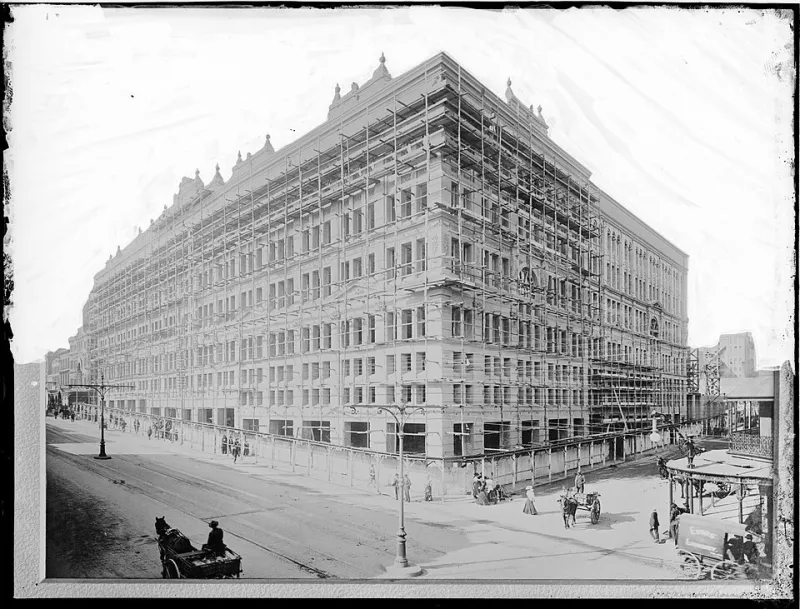
The Finish Line That Keeps Moving: How America Turned Retirement From a Certainty Into a Guessing Game

Photo by Photo by Sina Neshat on Unsplash on Unsplash
There was a time in this country when retirement was an event, not a negotiation.
You worked your thirty years. You got the party in the break room — the sheet cake, the handshakes, the card signed by people whose last names you'd never actually learned. You picked up your gold watch. And then, on a specific Friday afternoon, you stopped. Not scaled back. Not transitioned into a consulting role. Stopped.
That version of retirement — clean, certain, and fully funded — is now so rare it almost sounds fictional. For the majority of working Americans today, retirement is less a destination than a moving target that keeps getting nudged further down the road.
What Retirement Actually Looked Like in 1970
To understand how dramatically things have shifted, you need to picture the retirement landscape of the late 1960s and early 1970s.
The dominant feature was the defined-benefit pension. If you worked for a mid-sized manufacturer, a utility company, a school district, or most levels of government, you were enrolled in a pension plan from day one. You didn't manage it. You didn't make investment decisions. You showed up, you worked, and the math was done for you. After a set number of years, you received a monthly check — a guaranteed, predictable income — for the rest of your life.
Social Security, established in 1935 and significantly expanded through the 1950s and 1960s, provided a meaningful additional layer. For most working-class and middle-class retirees, the combination of a pension and Social Security was genuinely sufficient to maintain something close to their pre-retirement standard of living.
 Photo: Social Security, via d.ibtimes.co.uk
And critically, healthcare was far less financially threatening in retirement. Medicare launched in 1965, meaning that by 1970, most retirees had government-backed health coverage. The catastrophic medical bills that now consume retirement savings at an alarming rate were not yet the dominant anxiety they've become.
Retirement in 1970 was, for a large portion of the American workforce, a real thing. A funded, structured, socially understood endpoint to a working life.
The Quiet Dismantling
The pivot point came in 1978, with a small section of the Revenue Act that most Americans never read. Section 401(k) was originally a niche tax provision, but companies quickly recognized it as a way to shift retirement savings responsibility from employer to employee — and reduce their own long-term pension obligations in the process.
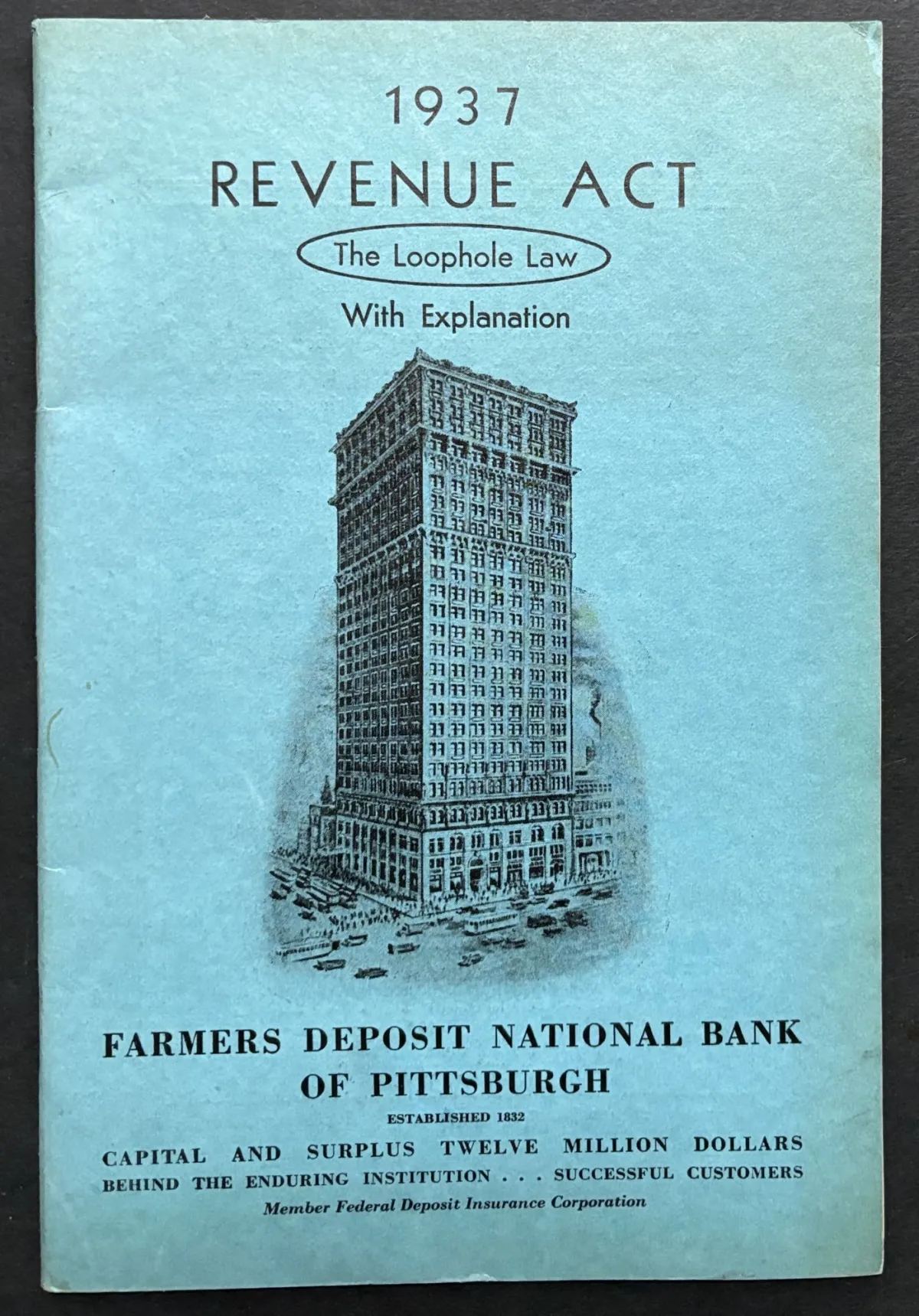 Photo: Revenue Act, via commoncrowbooks.cdn.bibliopolis.com
Throughout the 1980s and 1990s, defined-benefit pensions steadily gave way to defined-contribution plans. The difference is enormous. A pension promises you a specific monthly income. A 401(k) gives you a tax-advantaged account and says: good luck.
The shift placed the burden of investment decisions, market timing, and savings discipline onto workers who had no particular training for any of it. In good markets, 401(k) balances looked reassuring. In bad ones — 2001, 2008, 2020 — they collapsed, often at exactly the moment workers were approaching retirement age and had the least time to recover.
Meanwhile, the pension system continued its long retreat. Today, only about 15 percent of private-sector workers have access to a defined-benefit pension. The number was closer to 88 percent in 1983.
The Numbers That Tell the Story
The median retirement savings for Americans between 55 and 64 — the people closest to retirement — sits at roughly $185,000. Financial planners generally suggest you need somewhere between $1 million and $1.5 million to retire comfortably at 65. That gap is not a rounding error. It's a structural crisis.
And the response, for millions of Americans, has been to simply not retire. Or to retire from one job and immediately take on part-time work to cover the difference. Or to delay Medicare eligibility planning, keep working for the health insurance, and tell yourself that 70 is the new 65.
Between 2000 and 2023, the percentage of Americans over 65 still in the workforce nearly doubled. That's not just people choosing to stay engaged. For a significant portion of that group, it's financial necessity dressed up as preference.
What Was Lost Beyond the Money
The financial dimension is obvious. But something less tangible also disappeared when retirement became uncertain.
In the 1960s and 1970s, retirement carried genuine cultural weight. It was a recognized transition — socially, personally, and professionally. Your community understood what it meant. Your employer honored it. Your family planned around it. There was a framework.
Today, retirement is increasingly a private project with no guaranteed structure, no defined endpoint, and no social ceremony to mark it. You just... gradually stop, or you keep going until something forces the issue. The gold watch has been replaced by a Fidelity app notification telling you your balance dropped 11 percent last quarter.
For a generation that was told to work hard, save responsibly, and trust the system, the discovery that the system fundamentally changed the rules midway through the game is something a lot of Americans are still quietly processing.
The finish line didn't disappear. It just stopped being in the same place for everyone. And for millions of workers, it keeps moving just fast enough to stay out of reach.