Era Flipper Then vs Now — The World Changed More Than You Think

Era Flipper

Then vs Now — The World Changed More Than You Think

Latest Articles

The Doctor Will See You in Six Weeks: When Medical Mysteries Required Time and Intuition
Health

The Doctor Will See You in Six Weeks: When Medical Mysteries Required Time and Intuition

Before MRIs and instant lab results, getting a medical diagnosis was like solving a mystery novel—one clue at a time, often taking weeks or months. Today's patients get genetic testing results on their phones while yesterday's waited anxiously by rotary phones for their doctor's best guess.

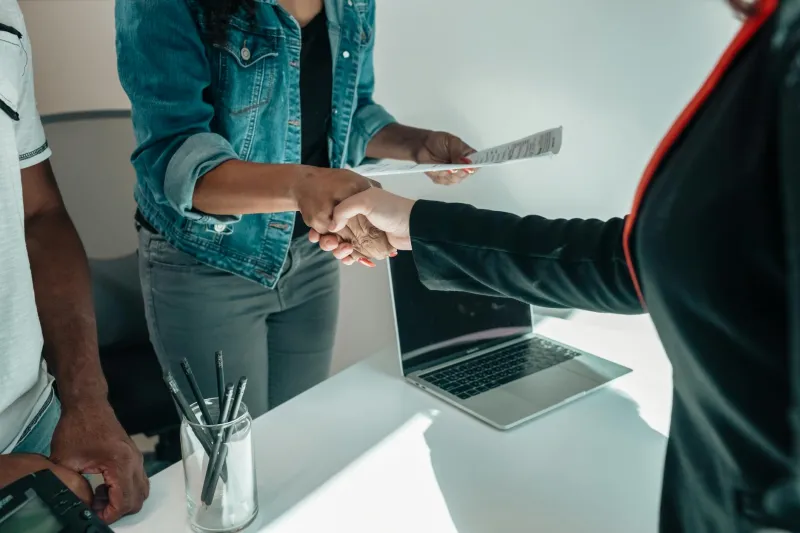
When Your Banker Knew Your Mother's Maiden Name Because He Dated Her Sister
Finance

When Your Banker Knew Your Mother's Maiden Name Because He Dated Her Sister

In 1955, getting a loan meant sitting across from someone who knew your family history, not your credit history. Today's algorithm-driven lending has made borrowing faster and fairer in some ways, but we've lost something profound in the process.

Your Word Used to Be Your Bond: When Americans Did Business on Trust Alone
Culture

Your Word Used to Be Your Bond: When Americans Did Business on Trust Alone

Before lawyers became part of every transaction, Americans sealed deals with handshakes and built businesses on reputation. The shift from trust-based commerce to contract-heavy transactions reveals how fundamentally our social fabric has changed.

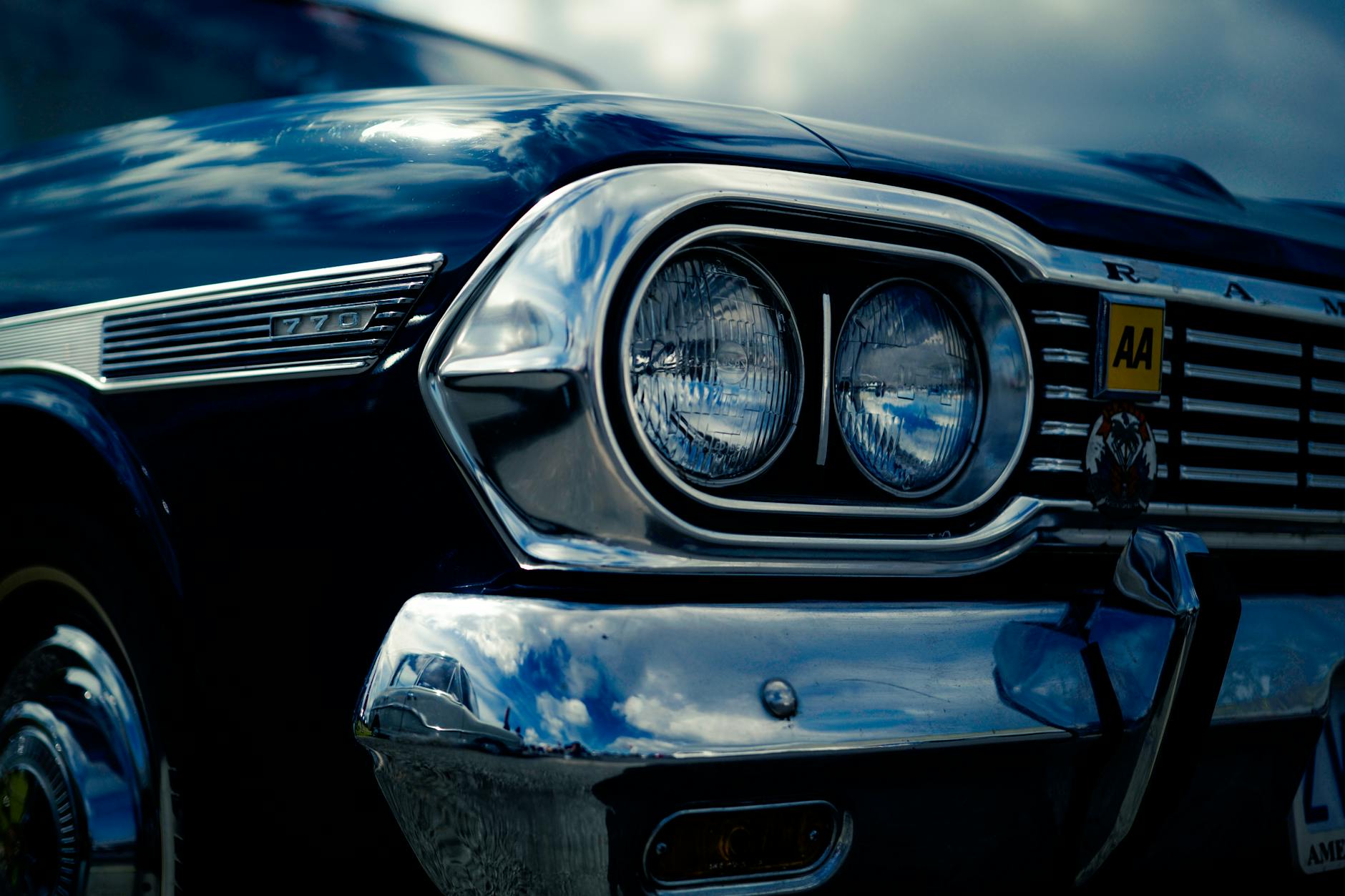
A Ford Pickup for the Price of Three Paychecks: When Cars Were Actually Affordable
Finance

A Ford Pickup for the Price of Three Paychecks: When Cars Were Actually Affordable

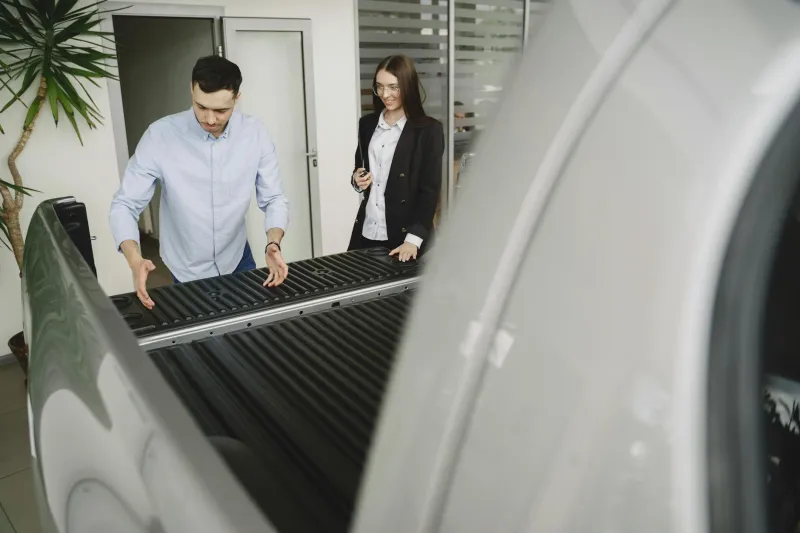
In 1970, buying a brand-new Ford F-150 cost about the same as three months of median wages. Today, that same purchase would eat up nearly a year's salary for the average American worker.

When Every Call Required Permission and Cost a Fortune: How We Lost the Sacred Art of Conversation
Culture

When Every Call Required Permission and Cost a Fortune: How We Lost the Sacred Art of Conversation

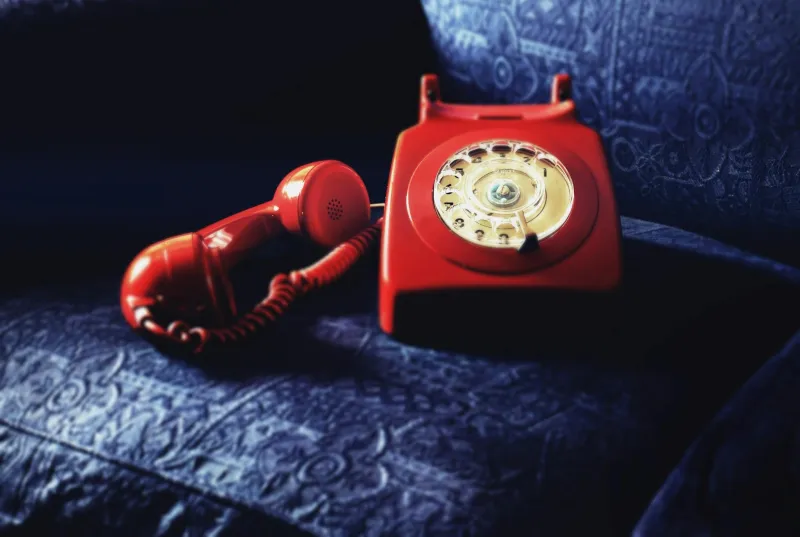
In 1960, a 10-minute long-distance call from New York to Los Angeles cost $3.50 — equivalent to $35 today. Families gathered around rotary phones like they were altars, timing conversations down to the second. Now we have infinite free calls but somehow talk less than ever.

When Only Rich People Had Wills: How Death Planning Went From Elite Privilege to DIY Project
Finance

When Only Rich People Had Wills: How Death Planning Went From Elite Privilege to DIY Project

For most of American history, having a will meant hiring expensive lawyers and navigating complex legal systems that working families couldn't afford. Today, you can plan your entire estate from your couch for less than the cost of a nice dinner.

The Last Generation to Disappear Until Dinner: How America Stopped Trusting Kids to Be Kids
Culture

The Last Generation to Disappear Until Dinner: How America Stopped Trusting Kids to Be Kids

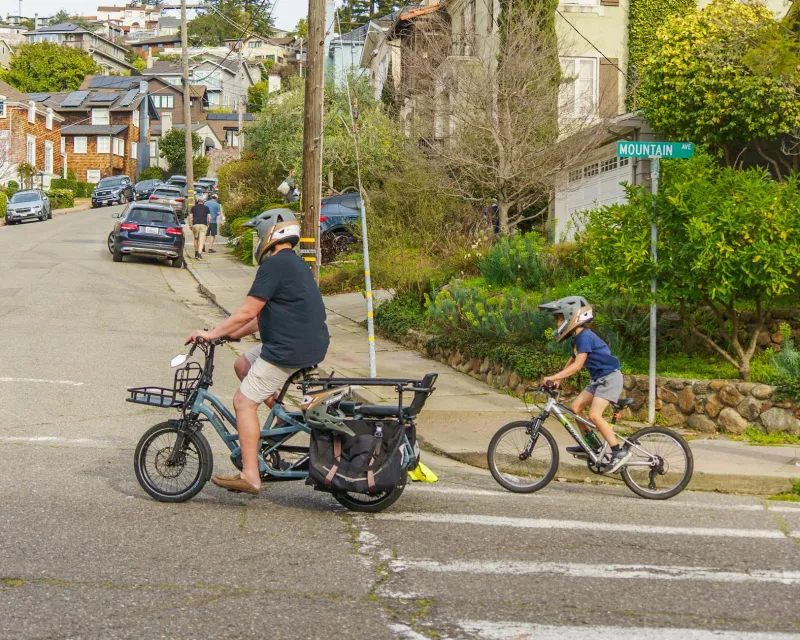
In 1980, an 8-year-old could vanish into the neighborhood for hours with just a "be back by dark" from mom. Today, that same scenario would trigger police calls and CPS investigations. Here's how American childhood transformed from adventure to anxiety in just four decades.

When America Watched the Same Show at the Same Time: How We Went From Appointment TV to Infinite Choice
Culture

When America Watched the Same Show at the Same Time: How We Went From Appointment TV to Infinite Choice

In the 1960s, 60 million Americans tuned into the same TV show at the same time, creating shared cultural moments that defined generations. Today, families living under the same roof might not watch a single program together all year.

When Wall Street Was Actually on Wall Street: How Investing Went from Exclusive Club to iPhone App
Finance

When Wall Street Was Actually on Wall Street: How Investing Went from Exclusive Club to iPhone App

Buying stocks once meant putting on your best suit, walking into a marble-columned building, and convincing a broker you were worth their time. Today, a teenager can buy Apple stock with their lunch money while sitting in algebra class.

When Flying Meant Calling Someone Who Actually Knew About Planes
Travel

When Flying Meant Calling Someone Who Actually Knew About Planes

Before you could compare 200 flights in 30 seconds, booking air travel required actual human expertise and days of patience. The transformation from travel agents to algorithms changed everything about how we fly.

From the Banker's Office to the Algorithm: How Getting a Mortgage Became Instant—and Impersonal
Finance

From the Banker's Office to the Algorithm: How Getting a Mortgage Became Instant—and Impersonal

In 1960, buying a house meant sitting across from your local bank manager who knew your family history, your job stability, and your character. Today, a credit algorithm decides your fate in minutes. The shift from personal gatekeeping to automated lending transformed American homeownership—but not always for the better.

Culture

When Saturday Morning Belonged to Everyone: The Childhood Ritual That Streaming Killed

For three decades, Saturday morning was appointment television for American kids—a shared national ritual where millions of children watched the same cartoons at the same time. Today's kids scroll through infinite options on demand, alone. The convenience is undeniable. But something irreplaceable disappeared when the shared moment ended.

Health

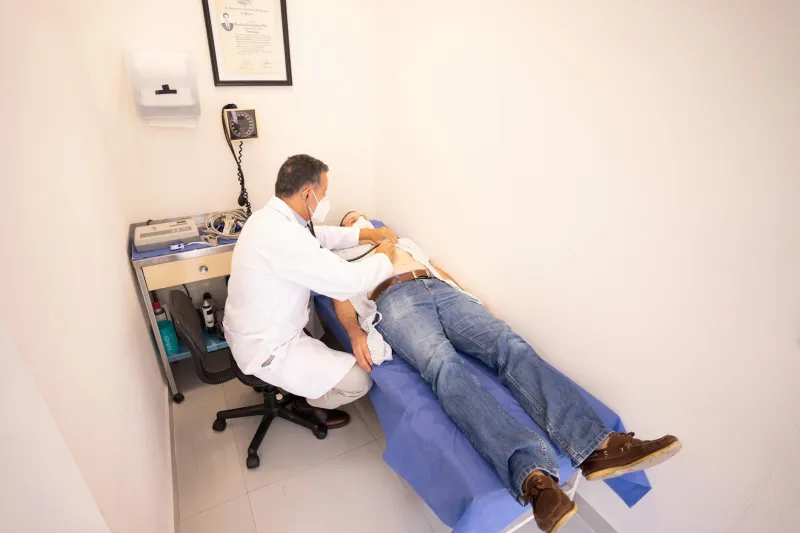
Your Doctor Used to Know Your Whole Family. Now You're a 12-Minute Slot.

The family physician who made house calls and knew three generations of your household has been replaced by a fragmented system of specialists, urgent care clinics, and telemedicine screens. Modern medicine is more technically advanced, but the loss of continuity and personal connection changed what it means to be a patient in ways most people haven't fully reckoned with.

Jell-O Was a Side Dish and Margarine Was Health Food: Inside the 1960s American Kitchen
Food & Culture

Jell-O Was a Side Dish and Margarine Was Health Food: Inside the 1960s American Kitchen

In 1960, the most modern thing a homemaker could serve for dinner came out of a can, a box, or a mold. Processed food wasn't a guilty pleasure — it was a symbol of progress. Sixty years later, those same foods have become cautionary tales, and what counts as 'eating well' has done a complete reversal.

A Summer Job Used to Pay for College. Here's What Changed.
Health

A Summer Job Used to Pay for College. Here's What Changed.

In the early 1970s, a motivated student could work a summer job, cover most of their state university tuition, and graduate without owing a cent. Today, the average student debt load sits north of $37,000 — and that's just the average. The degree didn't change. The math did.

Before You Could Book a Flight in Your Pajamas, Vacation Planning Was a Part-Time Job
Travel

Before You Could Book a Flight in Your Pajamas, Vacation Planning Was a Part-Time Job

Planning a family vacation in the 1970s meant visiting a travel agent, waiting weeks for brochures in the mail, and committing to reservations you couldn't easily cancel. Today, a complete international itinerary can be assembled on a smartphone before your coffee gets cold. Something genuinely changed — and it wasn't just the process.

When Everyone on the Block Knew Your Name — and Your Business
Food & Culture

When Everyone on the Block Knew Your Name — and Your Business

There was a time when your neighbors were your safety net, your social life, and your news feed all rolled into one. Somewhere between the party line and the Ring doorbell, we stopped knowing the people who live ten feet away from us — and we barely noticed it happen.

The Gold Watch Is Gone: How America Stopped Guaranteeing Retirement
Health

The Gold Watch Is Gone: How America Stopped Guaranteeing Retirement

For your grandparents, retirement was a finish line with a date on it. Work hard, stay loyal, collect your pension, and stop. Today, millions of Americans aren't sure they'll ever be able to stop — and the system that made retirement predictable has been almost entirely dismantled.

The Day a Baseball Game Stopped Being a Working-Class Afternoon
Travel

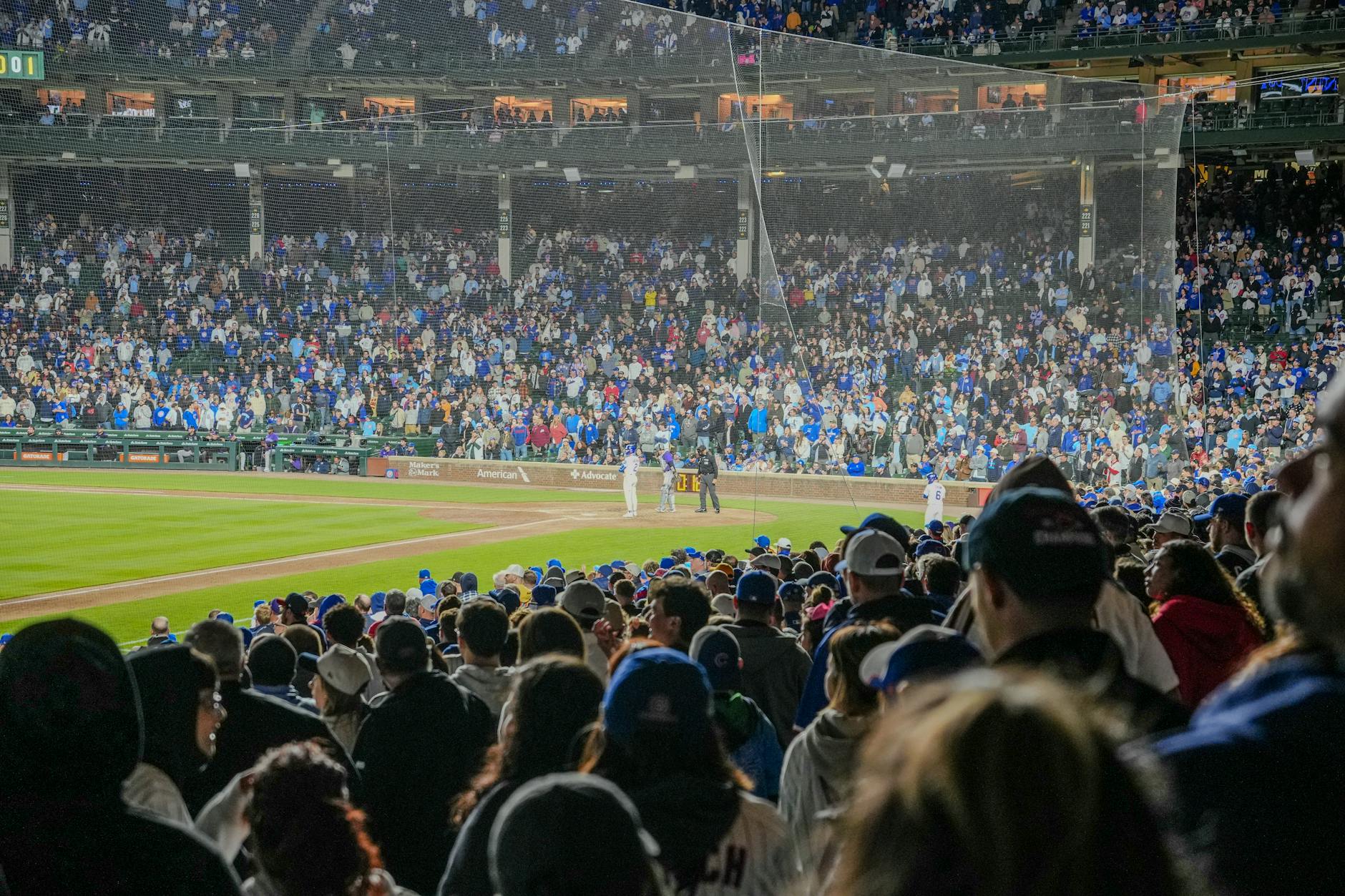
The Day a Baseball Game Stopped Being a Working-Class Afternoon

In 1985, a dad could load up the car, buy four tickets at the gate, grab hot dogs and sodas, and still have change left from a fifty-dollar bill. Today, that same afternoon at the ballpark can run close to $400. So what exactly happened to the American sports fan?

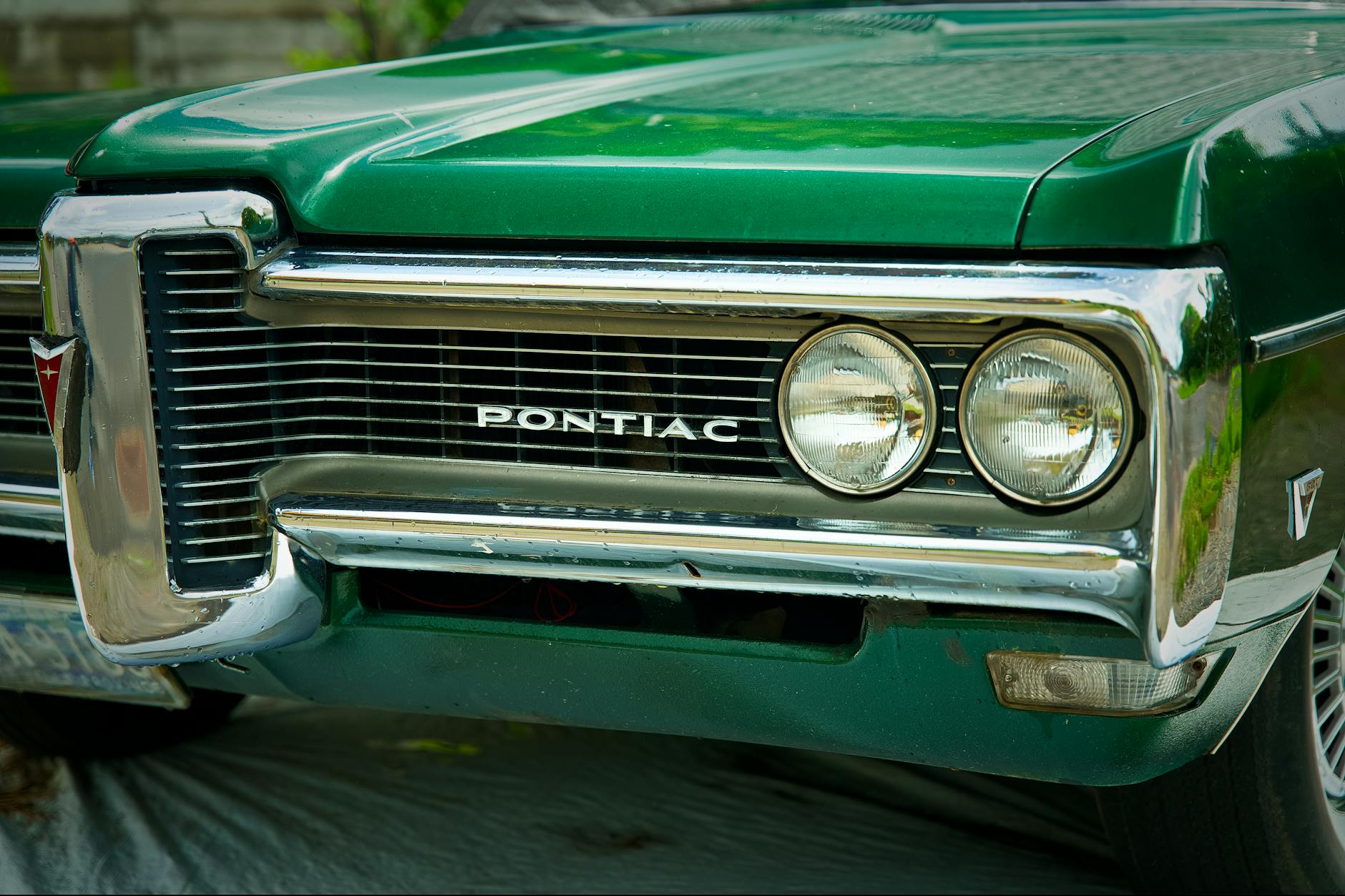
Gas Was 30 Cents, Maps Were Paper, and Nobody Cared If You Got Lost: The Great American Road Trip Then vs. Now
Travel

Gas Was 30 Cents, Maps Were Paper, and Nobody Cared If You Got Lost: The Great American Road Trip Then vs. Now

Driving across America in 1965 meant folded maps, roadside diners, and a genuine chance of getting completely, gloriously lost. Today, the same highway exists — but the experience of traveling it has been reinvented from the ground up. Here's what changed, what was gained, and what quietly disappeared.