Chicken Soup and Channel 4: When Being Sick Was Actually Allowed
The Sick Day Used to Have a Ritual
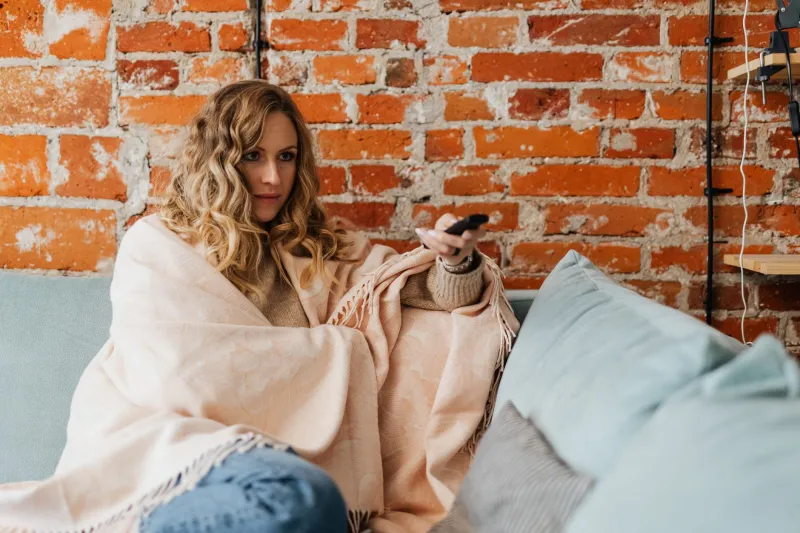
You woke up with a sore throat, your mom pressed the back of her hand against your forehead, and that was it. The verdict was in. You weren't going to school. The couch was made up with the good blanket — the heavy one from the closet that only came out for sick days and snowstorms — and the TV was yours until dinner.
The programming wasn't exciting. It was The Price Is Right, then some game show you didn't recognize, then the slow, dramatic murmur of a soap opera you didn't fully understand but watched anyway. There was Campbell's chicken noodle soup from the can, a glass of flat ginger ale, and absolutely nothing expected of you until you were better. That was the deal. You were sick. You rested. You got better. Nobody debated it.
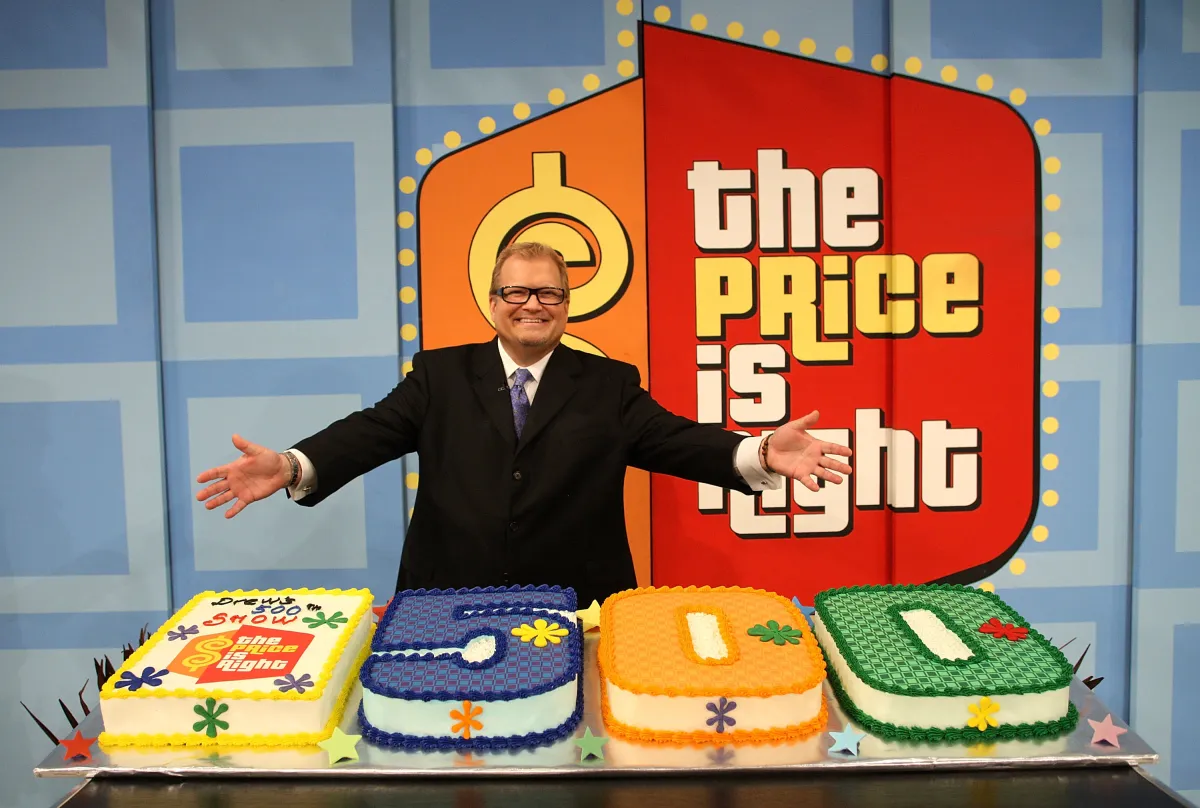 Photo: The Price Is Right, via www.the-sun.com
For most of the 20th century, this was simply how illness worked in American households. A sick day was a pause — not a problem, not a productivity gap, not a character flaw. It was a biological timeout that everyone understood and mostly respected.
What the Afternoon Used to Sound Like
For kids, sick days had a strange, suspended quality. The house was quiet in a way it never was on regular days. Neighbors were at work, siblings were at school, and you were marooned in this oddly peaceful limbo between unwell and recovered. Adults who stayed home sick had a similar experience — daytime America had its own rhythm, slower and more forgiving than the one that started at 9 a.m. sharp.
Doctors still made house calls in some communities through the 1960s. The idea that you'd drag a genuinely ill person out of bed to sit in a waiting room would have seemed strange, even unkind. Rest wasn't just suggested — it was prescribed. Literally. "Stay home, drink fluids, sleep" was standard medical advice, and nobody argued with it because nobody had a reason to.
Workplaces expected people to get sick. It happened. You called in, someone covered for you or things waited, and you came back when you were functional. The system wasn't perfect, but it had a kind of built-in humanity that modern work culture quietly dismantled over the following decades.
When "Pushing Through" Became a Personality Trait
Something shifted in the 1980s and accelerated hard through the 1990s and 2000s. Hustle culture didn't arrive overnight — it crept in through corporate restructuring, leaner teams, and a creeping ideology that equated productivity with personal worth. Taking a sick day started to feel like an admission of weakness rather than a sensible response to having a virus.
The open-plan office didn't help. Suddenly, everyone could see who was at their desk and who wasn't. Coming in with a cold became a badge of dedication. Staying home felt like letting the team down. HR departments introduced "unlimited PTO" policies that, paradoxically, often resulted in people taking fewer days off because the social pressure to never actually use them was immense.
Then came remote work — and the last physical barrier between being sick and being "at work" disappeared entirely. If you can answer emails from your couch, the thinking goes, why wouldn't you? The commute is gone. You're already home. Just keep your camera off and mute yourself if you cough. The sick day didn't just get complicated — it nearly ceased to exist.
The Fitbit Didn't Help
Wearable health technology arrived with genuinely good intentions. Tracking steps, monitoring heart rate, measuring sleep quality — these are legitimately useful tools for people trying to stay healthy. But they also introduced something new: the ability to feel guilty about your body's data even when your body is fighting an infection.
People now check their step count while running a 101-degree fever. They feel vaguely ashamed when their "active minutes" drop during a sick week. Health apps send cheerful nudges — "You're 3,000 steps behind your goal today!" — with no mechanism for understanding that you spent the day horizontal because your immune system was doing actual work.
The irony is almost perfect. The more tools we developed to monitor our health, the worse we got at simply listening to it.
Rest Isn't Laziness — It's Biology
Here's the thing that got lost somewhere between the hustle era and the smartwatch dashboard: rest is not optional. When your body is fighting a virus, sleep and stillness are not luxuries — they are literally part of the repair process. Immune function is metabolically expensive. Your body needs resources to fight infection, and those resources are diverted from other things, including cognitive performance and physical energy. That's why you feel tired. That's why you should stop.
Research has consistently shown that people who rest when sick recover faster and are less likely to develop secondary complications. Working through illness doesn't just slow your own recovery — it spreads illness to coworkers and, in the remote-work era, still degrades the quality of your output in ways that are measurable even if invisible.
The old-fashioned sick day, it turns out, was pretty good medicine.
What We Actually Lost
There's something worth mourning beyond the practical efficiency of rest. The sick day used to be one of the few culturally sanctioned moments where Americans — famously terrible at slowing down — were actually allowed to stop. Kids got a rare glimpse of the quiet daytime world. Adults were reminded that life had a pace beyond the workday. Even the bad TV served a purpose: it was low-stakes, undemanding, and kind of comforting.
We replaced all of that with a culture that sees any pause as a problem to solve. The blanket on the couch is still there. The soup still exists. But the permission to simply be unwell, without logging in or tracking your recovery metrics or apologizing to your team — that part is a lot harder to find.
Maybe the most radical thing an American can do in 2025 is get sick and actually rest. No laptop, no Slack, no step goals. Just the couch, the soup, and something mindless on TV. Your immune system will thank you. And somewhere, the ghost of a 1974 sick day will feel oddly vindicated.