Before It Was Content, It Was Just Dinner: How Home Cooking Stopped Being Private
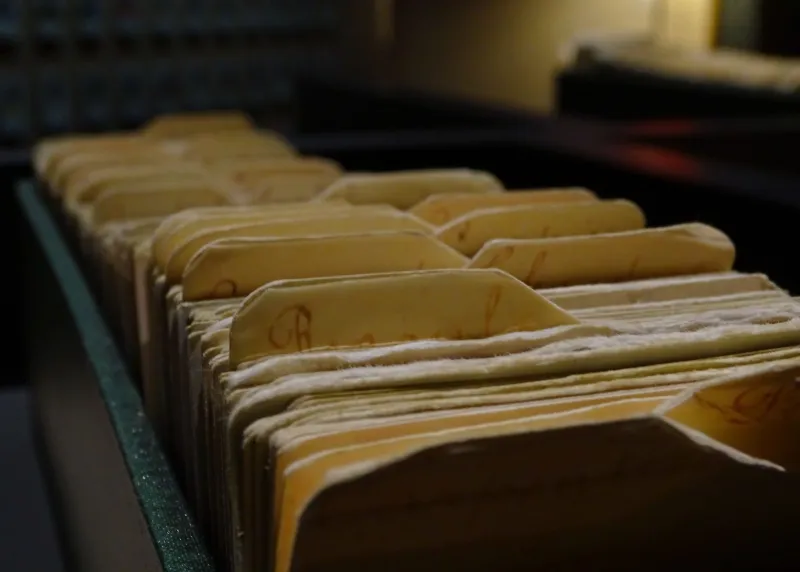
There was a recipe box in most American kitchens. Wooden or metal, usually, with a hinged lid and a set of tabbed dividers — Soups, Casseroles, Desserts, Breads. Inside were index cards covered in handwriting that ranged from careful cursive to barely legible scrawl. Recipes clipped from newspapers and folded twice. Notes in the margins: double the garlic, don't trust the oven, Aunt Carol hates celery.
Nobody was going to see those cards except the person who used them. That was never the point. The point was dinner.
The Kitchen as a Private World
For most of American history, home cooking was an entirely domestic act. You made food, your family ate it, the dishes got washed. If a recipe turned out especially well, you might share it with a neighbor or bring the dish to a church potluck. But the daily reality of home cooking — the Tuesday night chicken, the Sunday pot of soup, the quick scrambled eggs before school — existed entirely outside public view.
That privacy shaped how people cooked. You made what your family liked. You adjusted recipes based on what was in the fridge, what was on sale, what you'd been making for twenty years. Meals were deeply personal and completely unselfconscious. The goal was nourishment and, ideally, something that tasted good. There was no audience to perform for.
Cookbooks existed, of course — Betty Crocker, Joy of Cooking, the church fundraiser spiral-bound collections that every family seemed to own. But even those were tools, not aspirations. You used them to figure out how to do something, not to be inspired by a lifestyle.
When Food Got an Audience
The shift happened gradually, then all at once. Food television was an early signal — Julia Child brought cooking into the living room in the 1960s, and the Food Network turned it into entertainment by the 1990s. Suddenly cooking was something you could watch, admire, and aspire to. But it was still something happening on a screen, performed by professionals. Home cooks were still mostly cooking in private.
Instagram changed everything. When the platform launched in 2010 and food photography became a casual daily habit, the kitchen stopped being a backstage space and became a stage. Suddenly the meal you were about to eat was also an opportunity — for documentation, for sharing, for validation measured in double-taps.
By the mid-2010s, photographing your food before eating it had become so normalized that not doing it at a restaurant felt almost rebellious. Home cooking followed. The sourdough boom of 2020 wasn't just about bread — it was about the performance of making bread, the documentation of every stage, the sharing of the final loaf in a cast iron pan positioned near the best light in the kitchen.
What Happened to the Ugly Meals
Here's what gets lost in a world where food is content: most cooking is not photogenic, and never was.
The weeknight reality of most American households involves meals that are quick, imperfect, and assembled under pressure. Reheated leftovers. Canned soup doctored with whatever's around. Pasta with butter and salt because it's 6:45 and everyone is tired. A casserole that came out slightly overcooked but got eaten anyway because that's what there was.
Those meals fed generations of Americans. They were real cooking — practical, unglamorous, sufficient. But they don't exist on Instagram. They're not shareable. They don't reflect a curated version of domestic life, so they've been quietly pushed out of the public food conversation.
What replaced them, at least in the cultural image of home cooking, are meals that require natural light, the right bowl, and a strategically placed sprig of fresh herb. The food itself is almost secondary to how it photographs. And that shift in priority — from taste to image — has subtly changed how a lot of people think about cooking.
The Anxiety of the Edible Performance
There's a psychological cost to cooking for an audience, even an imagined one. When every meal is potentially content, the stakes change. A dish that doesn't look right becomes a small failure. Cooking without documenting starts to feel like it didn't quite happen. The private pleasure of making something good and eating it quietly, without anyone else knowing, gets replaced by the low-grade pressure of representation.
Some people find genuine community and joy in sharing food online — and that's real too. Food content has introduced millions of Americans to techniques, cuisines, and ingredients they'd never have encountered otherwise. The democratization of cooking knowledge through YouTube and TikTok is genuinely valuable.
But there's a difference between sharing because you love food and performing because the algorithm rewards consistency. And a lot of home cooks are now operating somewhere in that uncomfortable middle ground.
The Recipe Box Nobody Will Inherit
The handwritten recipe box is nearly extinct. Recipes live in apps now, or in browser bookmarks, or saved to Instagram collections. They're searchable and shareable and infinitely updatable. In practical terms, that's better.
But those old index cards carried something that digital files don't. The grease stain on the corner of the pound cake recipe told you something about how many times it had been made. The crossed-out measurement and the penciled correction told you the recipe had been lived with, adjusted, known. The card itself was a record of cooking as a private, ongoing practice — something that happened in real kitchens, for real people, without anyone watching.
Your grandmother's pot roast wasn't content. It was just dinner. And for a long time, that was more than enough.