When Only Rich People Had Wills: How Death Planning Went From Elite Privilege to DIY Project
When Only Rich People Had Wills: How Death Planning Went From Elite Privilege to DIY Project
In 1960, if you wanted to write a will, you didn't just need money—you needed connections. Estate planning was the exclusive domain of wealthy families who could afford attorneys charging what amounted to several weeks' wages for most Americans. The rest of the population? They crossed their fingers and hoped for the best.
Today, creating a comprehensive estate plan takes about as long as ordering takeout and costs roughly the same. But this transformation reveals something fascinating about how technology democratized what was once a luxury service—and what we might have lost along the way.
The Days When Lawyers Were Gatekeepers
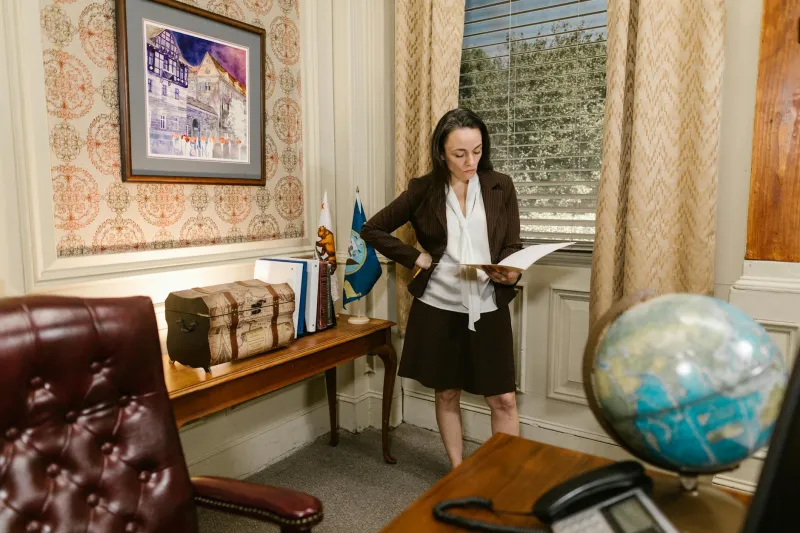
Back in the mid-20th century, drafting a will wasn't just expensive—it was intimidating. Most attorneys operated out of wood-paneled offices downtown, complete with leather-bound law books and secretaries who made appointments weeks in advance. The whole process felt designed to remind you that legal matters were serious business, handled by serious people.
A simple will could easily cost $200 in 1960 dollars—that's roughly $2,000 today. For families where the breadwinner might earn $5,000 annually, estate planning was simply out of reach. The result? Studies from the era show that fewer than 20% of Americans had any form of written estate plan.
The process itself was equally daunting. You'd schedule multiple meetings, fill out lengthy questionnaires about assets you might not even understand, and wait weeks for documents to be drafted. Changes meant more meetings, more fees, and more delays. Many people started the process but never finished it.
When Death Caught Families Unprepared
The consequences of this system were devastating for ordinary families. When someone died without a will—what lawyers call "intestate"—their assets entered a legal maze that could take years to resolve.
State laws determined who inherited what, often in ways that defied common sense or family wishes. A widow might discover she only inherited a portion of the family home, with the rest going to adult children who didn't want it. Small businesses frequently died with their owners because there was no clear succession plan.
Probate courts became bottlenecks where grief-stricken families waited months just to access bank accounts or sell property they desperately needed to liquidate. The irony was cruel: the people who couldn't afford estate planning while alive often left their families with legal bills that dwarfed what prevention would have cost.
The Digital Revolution Arrives
The transformation began quietly in the 1990s with software like Quicken WillMaker, but it exploded in the 2000s as online platforms made estate planning truly accessible. Companies like LegalZoom and Nolo offered document preparation for a fraction of traditional attorney fees.
Suddenly, you could create a will during your lunch break. Answer some questions, review the documents, and print them out. No appointments, no intimidating offices, no waiting weeks for revisions. The same technology that let people book flights and buy books online was now handling their final wishes.
The cost plummeted even more dramatically than the time investment. What once required hundreds or thousands of dollars could now be accomplished for $50-100. Even comprehensive estate plans with trusts and advanced directives became affordable for middle-class families.
What We Gained—and What We Lost
The democratization of estate planning has been overwhelmingly positive. Today, online platforms guide users through complex decisions about guardianship, healthcare directives, and tax planning that would have required multiple attorney consultations in the past.
These tools have also improved consistency. Where human attorneys might overlook details or use outdated language, software ensures documents meet current legal standards and include all necessary provisions. The guidance is often clearer too—written for normal people, not law school graduates.
But something was lost in translation. The family attorney who handled wills often knew multiple generations, understanding family dynamics and potential conflicts that might arise. They could spot problems before they happened and suggest solutions tailored to specific situations.
Today's DIY approach works well for straightforward situations but can miss nuances. A online form doesn't know that your eldest son has a gambling problem or that your daughter-in-law has been pushing for early inheritance. It can't advise whether a trust structure might save your family thousands in taxes.
The Paradox of Modern Estate Planning
Here's the strange part: despite estate planning being easier and cheaper than ever, millions of Americans still don't have wills. Studies consistently show that around 60% of adults lack basic estate planning documents.
The barriers aren't financial or logistical anymore—they're psychological. When something becomes too easy, we often assume it's not that important. The gravitas of visiting an attorney's office, however intimidating, communicated that estate planning was serious business that demanded attention.
Now that you can write a will between checking social media and ordering groceries, it's easy to keep postponing it. The very convenience that made estate planning accessible also made it feel optional.
Looking Forward
The evolution of estate planning reflects a broader transformation in how Americans access professional services. Just as tax preparation, legal research, and financial planning have been democratized by technology, death planning has shifted from exclusive service to consumer product.
This change has undoubtedly helped more families protect their assets and express their final wishes clearly. But it also represents the end of an era when major life decisions involved building relationships with trusted professionals who knew your story.
Today, your estate plan might be more legally sound and cost-effective than anything available to previous generations. Whether it's more wise—that's a question each family has to answer for themselves.