The Quest for a Single Answer
Picture this: You're sitting at dinner in 1975, and someone mentions that Napoleon was unusually short. Your uncle disagrees. In 2024, you'd settle this debate in thirty seconds with your phone. In 1975, this innocent disagreement could spark a weekend-long research mission that might involve three library visits, two phone calls to history professors, and a trip to the university's rare books section.
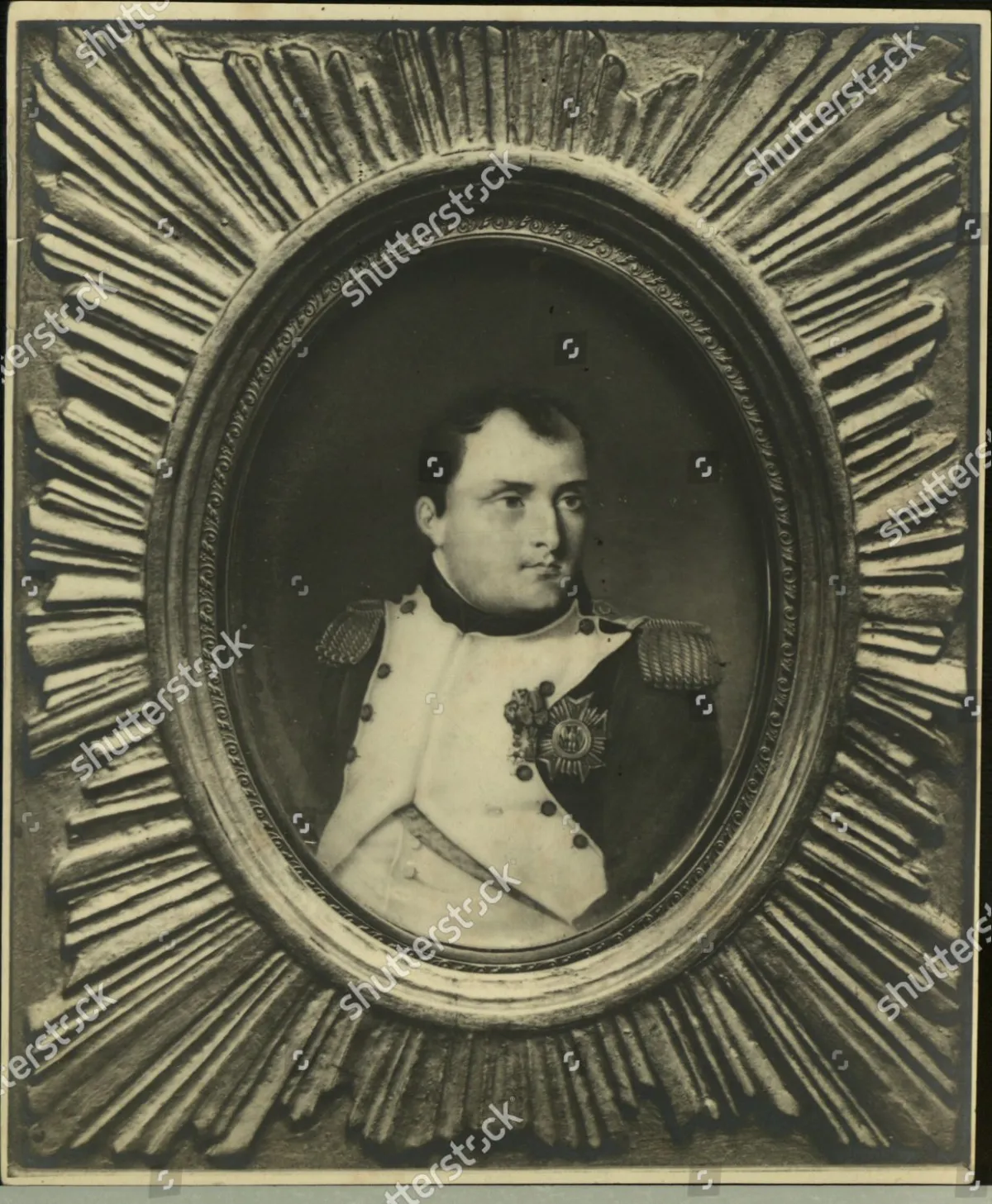 Photo: Napoleon, via editorial01.shutterstock.com
That was America before search engines—a time when curiosity came with a genuine cost in time and effort.
The Sacred Ritual of the Card Catalog
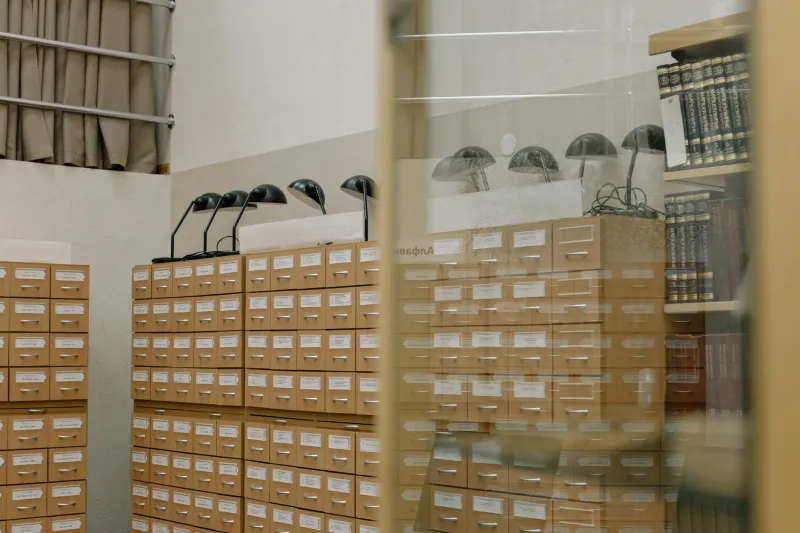
Every American library housed the same wooden shrine: rows of small drawers filled with index cards, organized with the precision of a Swiss watch. The Dewey Decimal System wasn't just a classification method—it was a roadmap to human knowledge that you had to learn to navigate.
Finding information meant understanding this system. You'd start at the card catalog, flip through hundreds of typed cards, jot down call numbers on scratch paper, then embark on a treasure hunt through towering stacks. Miss one crucial keyword in your initial search? Start over.
Librarians weren't just employees who checked out books. They were information archaeologists, trained to excavate facts from the depths of reference materials. A good reference librarian could spend an entire afternoon tracking down the population of Toledo, Ohio in 1923, consulting almanacs, city directories, and census records until they found the exact figure you needed.
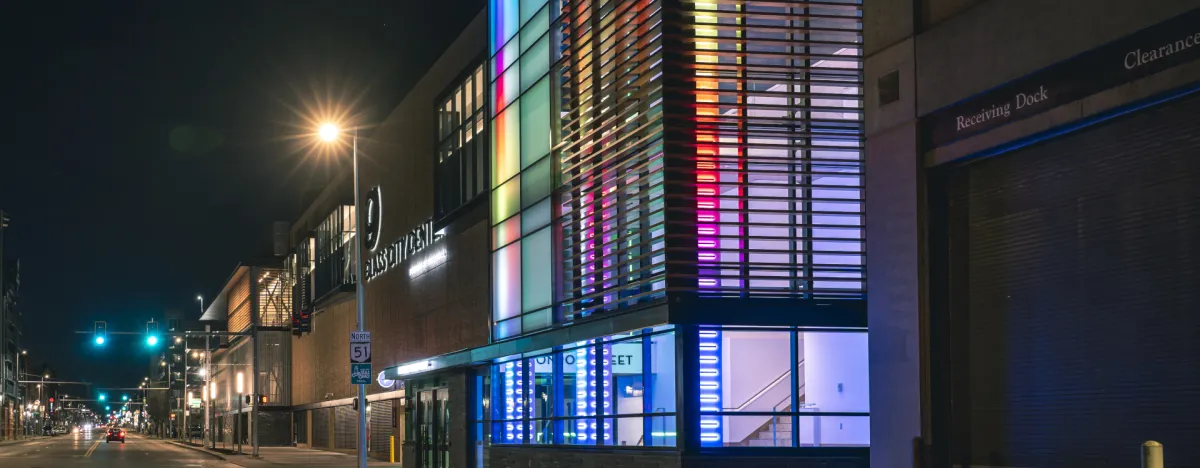 Photo: Toledo, Ohio, via businessviewmagazine.com
When Encyclopedias Were Furniture
The family encyclopedia set wasn't just books—it was a statement. Those gleaming volumes of Britannica or World Book represented thousands of dollars and occupied prime real estate in American living rooms. Parents bought them on installment plans, viewing them as investments in their children's education.
These weren't quick reference tools. Each volume weighed several pounds and contained dense, academic articles written by experts. Want to know about the Civil War? You'd commit to reading twelve pages of detailed text, complete with maps and diagrams. No skimming, no instant gratification—just deep, comprehensive information that demanded your full attention.
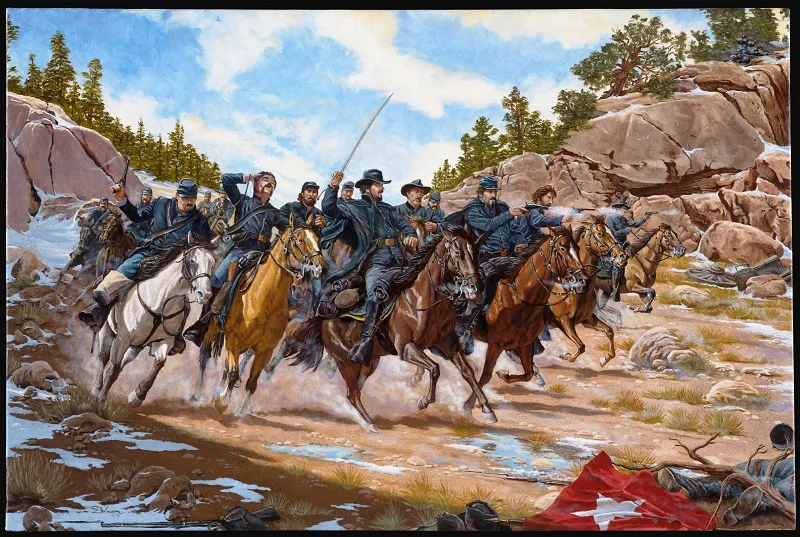 Photo: Civil War, via www.toptenz.net
Updates came annually in the form of yearbook supplements, because knowledge moved slowly enough that yearly revisions actually made sense.
The Social Network of Information
Before Wikipedia's collaborative editing, Americans relied on human networks to verify and share information. Your neighbor who taught high school history became the go-to source for historical questions. The guy at the hardware store was your technology expert. The local pharmacist doubled as a medical reference.
These relationships mattered because information wasn't democratized. Expertise lived in specific people and places, making knowledge inherently social. You couldn't just Google "how to fix a carburetor"—you had to know someone who knew someone who understood cars.
Research as a Multi-Day Adventure
Writing a high school report in 1970 was an expedition. Students would spend entire Saturdays at the library, armed with notebooks and pocket change for the photocopier. You'd check out armloads of books, knowing you might need to return multiple times as your research evolved.
Interlibrary loans could take weeks. If your local library didn't have the specific book you needed, you'd fill out request forms and wait patiently while librarians contacted other institutions. Sometimes the perfect source existed in a university library three states away, making it effectively unreachable for most Americans.
The process taught patience and planning. You learned to cast wide nets, to read broadly rather than searching for specific quotes. Research became about understanding topics deeply rather than extracting quick facts.
The Economics of Curiosity
Information had real costs. Long-distance phone calls to experts or institutions could run up significant bills. Photocopying was expensive enough that students would hand-copy important passages. Specialized magazines and journals required subscriptions that many families couldn't afford.
This economic friction meant Americans were more selective about their curiosity. You didn't chase every random question that popped into your head. Instead, you accumulated questions over time, then tackled them in efficient research sessions.
What We Gained and Lost
Today's instant access to information would seem miraculous to a 1970s researcher. We can fact-check Napoleon's height (5'7", average for his time) while standing in line for coffee. We have access to primary sources, academic papers, and expert opinions that once required special permissions or university access.
But something subtle disappeared in the transition. The effort required to find information made it more valuable. When answers demanded real work, we treated them with more respect. We read more thoroughly, questioned sources more carefully, and retained information longer because we'd invested in acquiring it.
The social aspect of information-seeking created communities. Libraries were gathering places where curious people naturally encountered each other. Reference librarians developed relationships with regular researchers, learning their interests and suggesting new directions for exploration.
The Lost Art of Not Knowing
Perhaps most significantly, Americans once lived comfortably with unanswered questions. Not every curiosity could be immediately satisfied, and that was okay. Conversations could continue for days or weeks as participants gradually gathered more information. The process of seeking answers was often as valuable as the answers themselves.
In our current age of algorithmic recommendations and instant answers, it's worth remembering when knowledge required a journey. When every fact was earned rather than given, and when the pursuit of understanding brought people together rather than isolating them behind screens.