When America Watched the Same Show at the Same Time: How We Went From Appointment TV to Infinite Choice
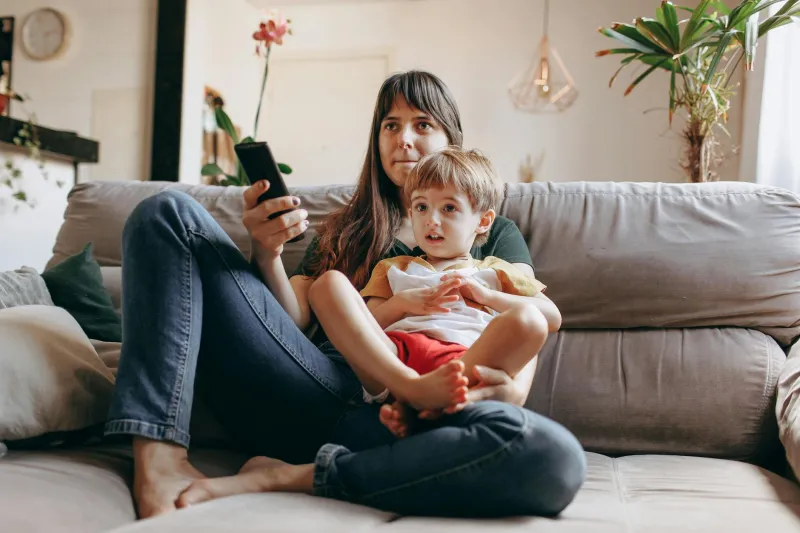
Picture this: It's 8 PM on a Tuesday in 1967, and across America, living rooms fall silent. Fathers lower their newspapers, mothers pause their knitting, and kids abandon their homework. Everyone's eyes turn to the single television set—a massive wooden console that dominates the corner of the room. Tonight's the night Lucy and Ricky face their latest predicament, and 60 million Americans are about to laugh at the exact same joke at the exact same moment.
That world is gone. Not just changed—completely vanished.
When Television Was Democracy in Action
Back then, owning a TV meant owning one TV. Period. Most families couldn't afford multiple sets, and even if they could, the idea seemed absurd. Why would you need more than one when there were only three channels to choose from?
This scarcity created something we've lost entirely: television democracy. Every evening became a negotiation. Dad wanted the news. Mom preferred her soap opera. The kids lobbied for cartoons. Someone had to win, which meant everyone else had to compromise or find something else to do.
"What's on tonight?" wasn't a question—it was the question that shaped American evenings. Families gathered around TV Guide like it was scripture, planning their week around must-see programming. Missing your favorite show meant waiting months for a rerun, if you were lucky.
The Appointment That United a Nation
Networks understood their power and wielded it strategically. When CBS scheduled "I Love Lucy" on Monday nights, they weren't just programming television—they were programming America. Water usage dropped during popular shows as entire cities held off on bathroom breaks. The famous "Who Shot J.R.?" episode of "Dallas" in 1980 drew 83 million viewers—more than voted in that year's presidential election.
These weren't just TV shows; they were shared cultural experiences that created a common language. The next morning at work, school, or the grocery store, everyone had watched the same thing. Conversations started with "Did you see...?" because of course you had. What else would you have been doing at 8 PM on Thursday?
Even the commercials became cultural touchstones. Entire generations can still recite jingles from the 1970s because everyone heard them simultaneously, repeatedly, with no option to skip ahead.
When Choice Became Infinite—and Isolating
Fast-forward to today, and the average American household has access to over 500,000 TV episodes and movies across various streaming platforms. Netflix alone releases more original content in a month than existed in all of television's first decade.
Yet paradoxically, this infinite choice has made us lonelier viewers.
Today's family of four might own eight screens: smartphones, tablets, laptops, smart TVs in multiple rooms. Each person curates their own entertainment universe, guided by algorithms that learn their preferences and feed them increasingly personalized content. A teenager binge-watching Korean dramas on her phone while her parents stream true crime documentaries in the living room while her brother plays video games on his laptop—all happening simultaneously in the same house, yet completely separately.
The Death of "Did You See...?"
When was the last time you asked someone if they watched something on TV last night? The question has become meaningless. With hundreds of new shows launching monthly and everyone watching on their own schedule, the chances that you and your coworker saw the same thing at the same time approaches zero.
We've replaced shared cultural moments with personalized echo chambers. Your Netflix homepage looks nothing like your neighbor's. Your YouTube recommendations are tailored specifically to you. Even when we watch the same show, we're probably watching it weeks apart, making real-time discussions impossible.
The closest thing we have to appointment television now are live sports and major awards shows—and even those are losing their grip as streaming and social media create alternative viewing experiences.
What We Gained and Lost
Don't misunderstand: today's television landscape offers incredible advantages. We can watch what we want, when we want, how we want. No more suffering through shows we hate because they're the only option. No more missing favorite programs because of work or social commitments. No more sitting through commercial breaks or waiting a week between episodes.
But we've traded something profound: the shared experience that helped bind communities together. Those moments when an entire nation laughed, cried, or gasped simultaneously created a social fabric that's nearly impossible to replicate in our fractured media landscape.
Families who once negotiated viewing schedules now barely interact during screen time. Children who once learned patience and compromise by waiting their turn for the TV now expect instant gratification and personalized content.
The New Normal
Today's living rooms tell the story of this transformation. Where once a single large television commanded attention from a carefully arranged circle of furniture, now we see multiple screens scattered throughout homes, each serving an audience of one.
We've gained unprecedented choice and convenience, but lost something harder to quantify: the simple experience of being surprised together, of sharing unexpected moments of joy or suspense with the people closest to us.
The next time you're scrolling through Netflix's endless options, paralyzed by choice, remember when Americans gathered around one screen and watched the same story unfold together. It wasn't perfect, but it was ours—all of ours—at exactly the same time.