The Bellhop Knew Your Usual Room: When Hotels Ran on Memory, Not Metrics
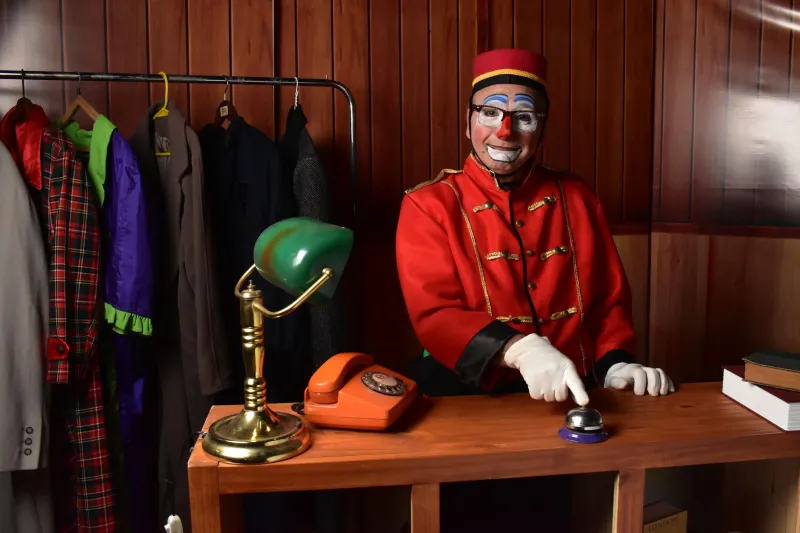
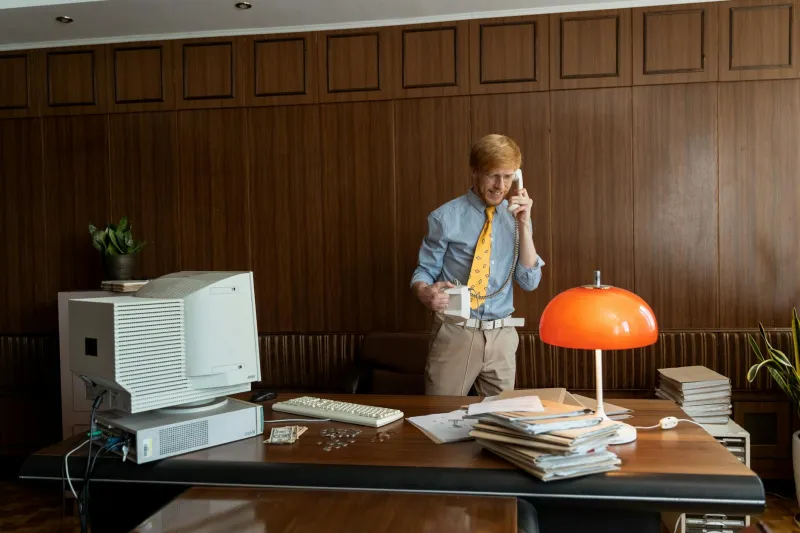
If you were a regular at a good American hotel in, say, 1965, the experience of checking in was almost nothing like what it is today. You walked through the door, the doorman nodded — maybe by name. The front desk clerk looked up, recognized you, and in a matter of seconds had already begun pulling your preferred room assignment without being asked. The bellhop who carried your bag knew you took your newspaper outside the door, not inside it. Nobody had entered this information into a system. They just remembered.
That kind of hospitality was the entire point. And it has quietly, almost completely, disappeared.
How Hotels Used to Work
For most of the 20th century, the hotel industry ran on something that doesn't scale well and can't be automated: human attention. Staff at established hotels — the grande dames of American travel, the city institutions, the beloved regional properties that business travelers returned to year after year — built genuine knowledge of their regulars over time.
A traveling salesman who stayed at the same downtown hotel every third week of the month for fifteen years wasn't just a reservation in a ledger. He was a person the front desk knew. His preference for a quiet room. His habit of needing an early wake-up call. The fact that he liked the corner table in the restaurant because it gave him space to spread out his papers. These things were remembered because someone paid attention and passed the information along, the way knowledge moves in any tight-knit community.
This wasn't limited to luxury properties. Plenty of mid-range hotels and motor lodges had regulars who were genuinely known by the staff. The relationship was professional, but it was real. It had texture. When you arrived, someone was glad to see you — not as a transaction, but as a familiar face.
The Arrival of the Loyalty Program
The shift began in the 1980s, when airlines introduced frequent flyer programs and hotels followed with their own points-based loyalty systems. Marriott Rewards launched in 1983. Hilton Honors came along in 1987. The logic was straightforward: reward repeat customers, build brand loyalty, track behavior.
In theory, loyalty programs were supposed to enhance the personal touch. Your preferences would be stored. Your status would unlock better service. The data would allow any hotel in the chain — not just the one you'd been visiting for years — to know how you liked your stay.
In practice, something got lost in the translation from human memory to database entry. The information was there, technically. But the experience of being known was replaced by the experience of being profiled. There's a meaningful difference between a front desk clerk who remembers that you prefer a high floor because they've checked you in a dozen times, and a system that auto-selects a high floor because your profile says so. One feels like recognition. The other feels like a mail merge.
When Every Stay Became a Rating
The internet accelerated the shift in a different direction. With the rise of TripAdvisor in the early 2000s and the eventual dominance of online reviews, the hotel-guest relationship became quantified in a new way. Guests weren't just customers — they were potential reviewers. Every interaction carried the implicit possibility of public consequence.
This changed the nature of hospitality from both sides. Hotels became intensely focused on managing reviews, responding to complaints before they went online, and optimizing for the metrics that determined their visibility on booking platforms. Guests, meanwhile, became more transactional in their expectations — consulting star ratings before choosing a property, leaving detailed written assessments after checkout, treating the stay as a product to be evaluated rather than an experience to be had.
The old relationship between a hotel and its regulars was built on accumulated goodwill and mutual recognition. The new relationship is built on ratings, and ratings reset with every stay. A hotel that has served you perfectly fifteen times in a row has no special standing over one you've never visited, because the platform doesn't weigh history — it averages scores.
The Personalization Paradox
Modern hotel chains will tell you that technology has made personalization better than ever. And in narrow, measurable ways, that's true. Your loyalty profile can trigger an automatic room upgrade. An app can let you choose your exact room from a floor plan before arrival. A chatbot can handle requests at 2 a.m. without waking a staff member.
But personalization built on data is a fundamentally different thing from personalization built on relationship. One is efficient. The other is warm. And warmth, it turns out, is quite hard to engineer.
The most telling sign of the gap is how surprised guests are when genuine personal recognition does occur. When a staff member at a hotel remembers your name without looking at a screen, or recalls that you mentioned last time that you were in town for a family event and asks how it went, it feels remarkable. Almost startling. It shouldn't — it used to be the baseline expectation of a good hotel stay. The fact that it now reads as exceptional tells you how far the standard has moved.
What a Name Used to Mean
There's a reason the great hotels of American history — the Waldorf Astoria in New York, the Fairmont in San Francisco, the Ambassador in Los Angeles — are still spoken of with a particular reverence. It wasn't just the architecture or the room quality. It was the feeling of being somewhere that knew how to treat a person like a person.
That feeling came from staff who stayed for decades and accumulated genuine institutional knowledge of their guests. It came from a culture that valued memory and attention as professional skills. It came from an industry that understood hospitality as a human practice, not a logistical one.
You can book a hotel room today from your couch, check in from your phone, enter your room without speaking to anyone, and check out via an automated email. Every step of that process is faster and more convenient than anything available in 1965.
And yet, when the door closes and you're alone in a room that could be in any city in any state, there's a particular kind of absence that's hard to name. It's the absence of anyone knowing you were there.