A Handshake and a Promise: When Buying Your First Home Took Three Days, Not Three Months
When Your Banker Was Your Neighbor
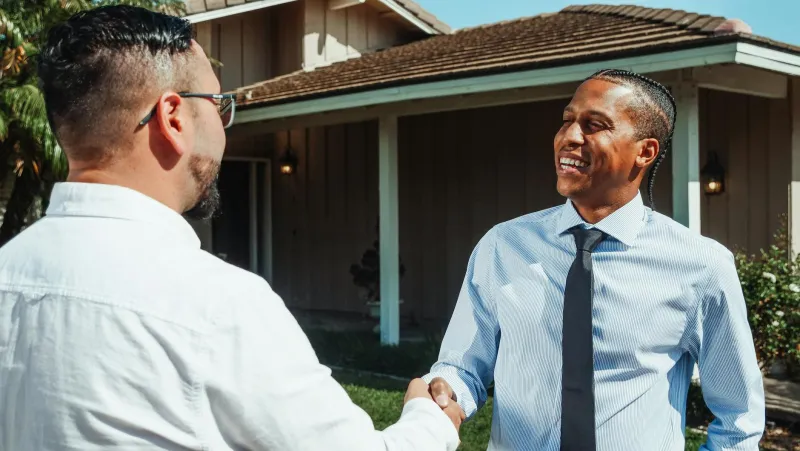
Picture this: It's Tuesday morning in 1955. You walk into First National Savings & Loan on Main Street, shake hands with Tom Henderson—the same guy who coached your little league team—and by Friday afternoon, you're holding the keys to your new house. No credit reports pulled from three different agencies. No 47-page disclosure packets. No bidding wars that push prices $50,000 over asking.
This wasn't some fantasy version of America. This was simply how people bought homes for decades, back when the process was designed around relationships instead of risk management algorithms.
The World of Personal Banking
In the post-war housing boom, your local savings and loan officer didn't just know your credit score—he knew your character. He'd grown up three blocks away, went to the same church, and probably knew your parents before you were born. When you walked in asking for a mortgage, he already understood your work ethic, your family situation, and whether you were the type to honor your commitments.
The application process? A single page, maybe two. You'd discuss your income (which the banker could often verify with a quick phone call to your employer), talk about your down payment, and shake hands on terms that both parties understood. Interest rates were regulated and predictable—usually hovering around 4-6%—so there wasn't much to negotiate.
Most remarkably, you could close on a house in a matter of days. The biggest delay might be waiting for the previous owner to pack up and move out.
Enter the Paper Trail
Today's homebuying process would seem like science fiction to a 1950s buyer. The average mortgage application now requires documentation that would fill a small filing cabinet: two years of tax returns, three months of bank statements, employment verification letters, debt-to-income calculations, and credit reports that analyze every financial decision you've made since college.
The closing process alone generates enough paperwork to deforest a small tree. The typical closing packet contains between 100-200 pages of documents, disclosures, and legal agreements. You'll sign your name roughly 50-100 times, initial countless pages, and navigate terms that require a law degree to fully understand.
Where a 1950s buyer might have spent an hour total in their banker's office, today's homebuyers dedicate weeks to the process—attending inspections, reviewing appraisals, negotiating repairs, and hoping their financing doesn't fall through at the last minute.
The Great Complication
So what happened? How did buying a house transform from a neighborly transaction into a bureaucratic odyssey?
The answer lies in America's well-intentioned efforts to make homeownership more accessible and fair. The civil rights movement exposed discriminatory lending practices that had locked entire communities out of homeownership. The savings and loan crisis of the 1980s revealed the dangers of casual lending standards. Financial innovations created new types of mortgages—and new ways for things to go wrong.
Each crisis prompted new regulations, new disclosure requirements, and new layers of protection. The Truth in Lending Act. The Real Estate Settlement Procedures Act. The Fair Credit Reporting Act. Dodd-Frank. Each law addressed real problems, but collectively they transformed a simple transaction into a complex legal process.
The 2008 financial crisis added even more requirements. Lenders now verify everything multiple times. Income documentation that would have seemed excessive in 1955 is now considered basic due diligence. The phrase "trust but verify" became "verify, then verify again, then document the verification."
The Human Cost of Protection
Today's elaborate mortgage process does offer genuine benefits. Buyers receive extensive disclosures about their loan terms, closing costs, and legal rights. Professional inspections catch problems that 1950s buyers might have discovered too late. Title insurance protects against ownership disputes that could have been devastating.
But something important was lost in translation. The 1950s homebuyer experienced purchasing a house as a milestone—a celebration of joining the community and achieving stability. Today's homebuyers often describe the process as surviving an ordeal. The stress of navigating inspections, appraisals, and financing contingencies can overshadow the joy of homeownership itself.
The average time from contract to closing has stretched from days to 30-45 days, assuming everything goes smoothly. Many deals fall through entirely—something that rarely happened when agreements were sealed with handshakes and personal relationships.
The Price of Progress
Modern mortgage lending is undoubtedly more fair and transparent than the old system. But it's worth acknowledging what we traded away: simplicity, speed, and the deeply human experience of making one of life's biggest purchases through personal connection rather than institutional process.
The next time you're drowning in mortgage paperwork, remember that your grandparents probably bought their first house with less documentation than you need today to lease a car. Progress isn't always linear, and sometimes protecting people from bad outcomes means making good outcomes a lot more complicated to achieve.