
The Last Generation to Vanish for Summer
Every June, something remarkable happened across America. Thousands of kids aged 8 to 16 would climb onto buses or pile into station wagons, wave goodbye to their parents, and essentially disappear for two months. No daily check-ins. No live-streamed activities. No emergency hotlines manned 24/7.
Just silence, broken occasionally by a hastily scrawled postcard that might arrive a week after it was written.
This was summer camp in mid-century America, and it operated on a level of parental trust that would seem borderline negligent today. Parents would drop their children at bus stops in suburban neighborhoods, kiss them goodbye, and not expect meaningful contact until pickup day in August. The camp might have one shared phone for emergencies, but "I miss home" wasn't considered an emergency.
When a Postcard Was Enough
Communication happened through the mail, and even that was sporadic. Kids were encouraged to write home once a week, but enforcement was loose. Parents might go 10 days without hearing anything, then receive a postcard that simply said "Having fun. Made a wallet in crafts. Food is okay. Love, Jimmy."
That was it. That was enough.
Camp directors actively discouraged frequent contact between parents and children. The philosophy was simple: kids needed to develop independence, learn to solve problems without running to Mom and Dad, and form relationships outside their family circle. Homesickness was treated as a temporary condition that would resolve itself, not a crisis requiring immediate parental intervention.
Mary Patterson, who attended Camp Wildwood in New Hampshire every summer from 1962 to 1968, remembers the communication blackout fondly. "My parents would get maybe three postcards all summer. They had no idea what I was doing day to day, and honestly, that was the point. I learned to handle my own problems, make my own friends, and figure things out without calling home every time something went wrong."
 Photo: Camp Wildwood, via images.squarespace-cdn.com
The Digital Leash Changes Everything
Fast-forward to today's summer camp experience, and the contrast is jarring. Modern camps offer live-streamed campfires, daily photo galleries uploaded to password-protected websites, and counselors trained to respond to parent emails within hours. Some camps provide twice-daily updates through apps that track everything from what your child ate for breakfast to how they performed in archery.
Camp Tecumseh in Indiana, which has operated since 1903, now employs two full-time staff members just to manage digital communications with parents. "We upload 200-300 photos every day," explains director Sarah Mitchell. "Parents expect to see their child in at least one photo per day, or we get calls asking if something's wrong."
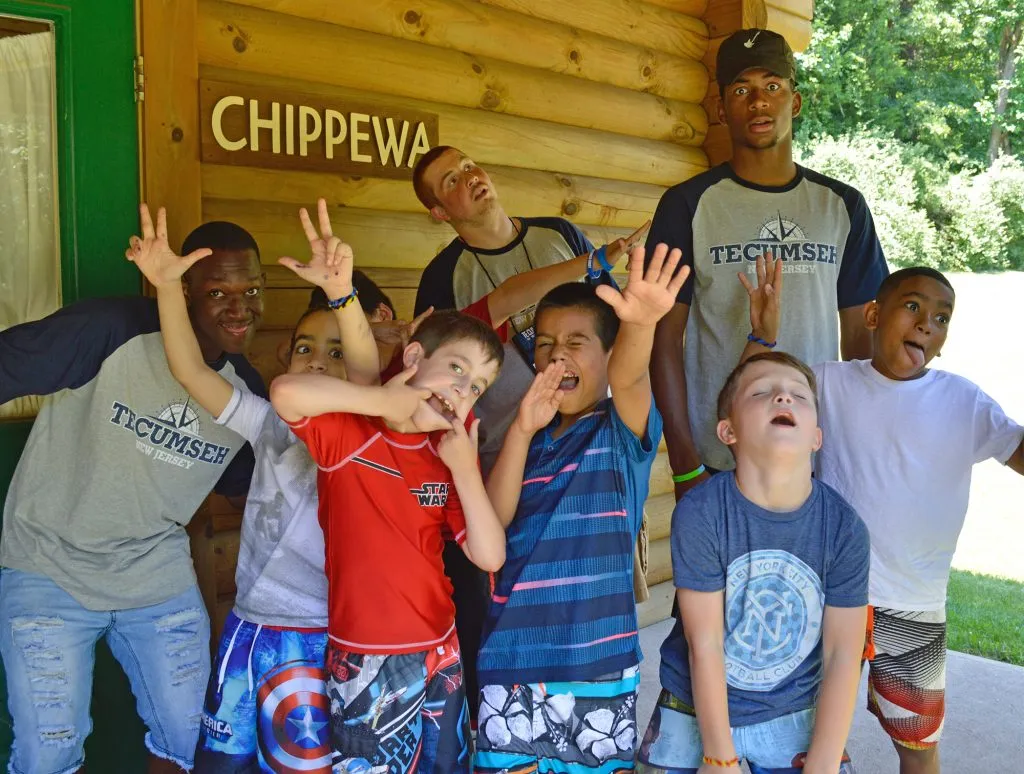 Photo: Camp Tecumseh, via www.camptecumseh.com
The shift reflects broader changes in American parenting that began accelerating in the 1980s and reached fever pitch with the widespread adoption of smartphones. What previous generations viewed as healthy separation, modern parents often perceive as dangerous disconnection.
What We Gained and Lost
Today's enhanced communication certainly provides benefits. Parents can spot genuine problems earlier—bullying, serious homesickness, or health issues that might have been overlooked in the postcard era. Camp directors can address concerns before they escalate, and kids know help is always available.
But something was lost in translation. Dr. Peter Gray, a research professor at Boston College who studies childhood development, argues that constant connectivity prevents children from developing crucial coping skills. "When kids know they can reach their parents at any moment, they don't learn to work through difficult emotions independently. They don't develop the resilience that comes from successfully navigating challenges on their own."
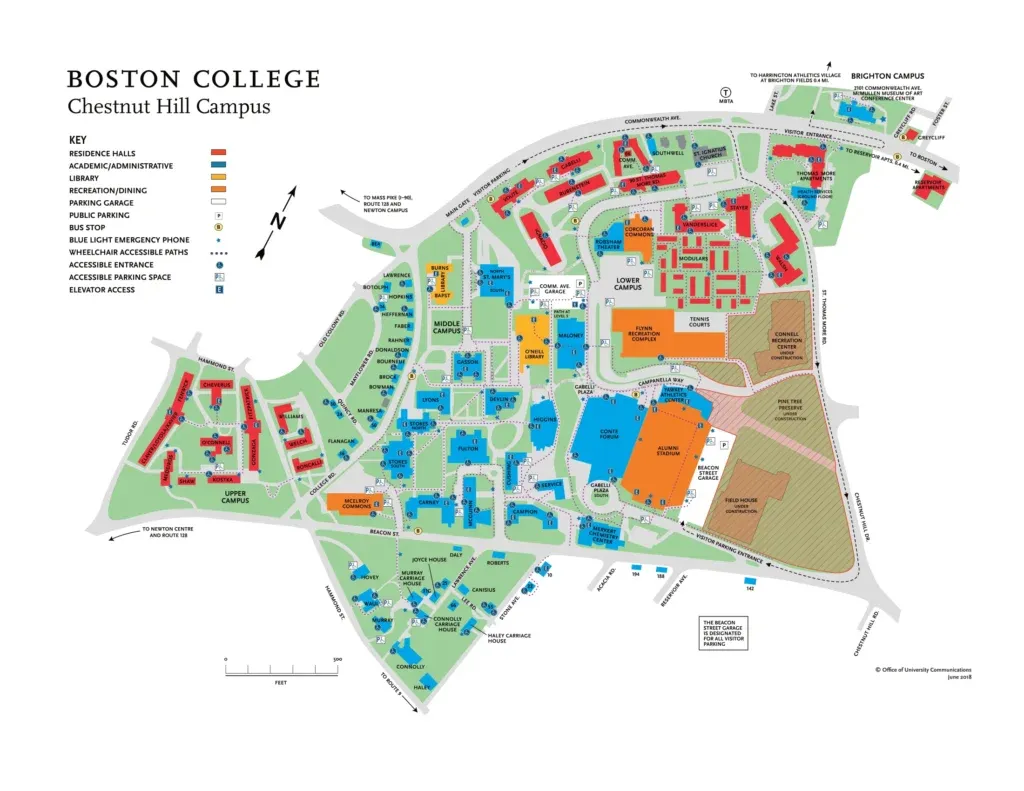 Photo: Boston College, via all-maps.com
The numbers support his concern. Despite unprecedented levels of parental oversight and communication, anxiety disorders among children and adolescents have skyrocketed. The generation that went to camp with nothing but a postcard reports higher levels of self-reliance and problem-solving confidence as adults.
The Unintended Consequences of Connection
Modern camp directors find themselves managing not just children, but anxious parents who monitor every digital update for signs of distress. A photo of their child looking tired or sad can trigger a flurry of emails and phone calls. Some camps now offer "communication-free" sessions for families who want to recreate the old experience, but few parents choose this option.
The irony is palpable: in our effort to keep kids safer and more connected, we may have made them less capable of handling independence. The generation that survived eight weeks with nothing but a postcard grew up to become some of America's most successful entrepreneurs, leaders, and innovators. They learned early that they could handle being uncomfortable, lonely, or challenged without immediate rescue.
The Postcard Generation's Lesson
Perhaps the most telling difference is what happened when camp ended. In the postcard era, kids would return home with stories their parents had never heard, friendships their families knew nothing about, and a sense of having lived a completely separate life for two months. They had grown and changed in ways that couldn't be tracked through daily photo uploads.
Today's campers return to parents who have watched their summer unfold in real-time through digital updates. There are fewer surprises, fewer unknown adventures, and arguably less growth that happens in the space between leaving home and coming back.
The postcard generation learned something that no amount of modern technology can teach: sometimes the most important growing happens when nobody's watching. In our rush to stay connected, we might have forgotten the value of letting go.