Gas Was 30 Cents, Maps Were Paper, and Nobody Cared If You Got Lost: The Great American Road Trip Then vs. Now
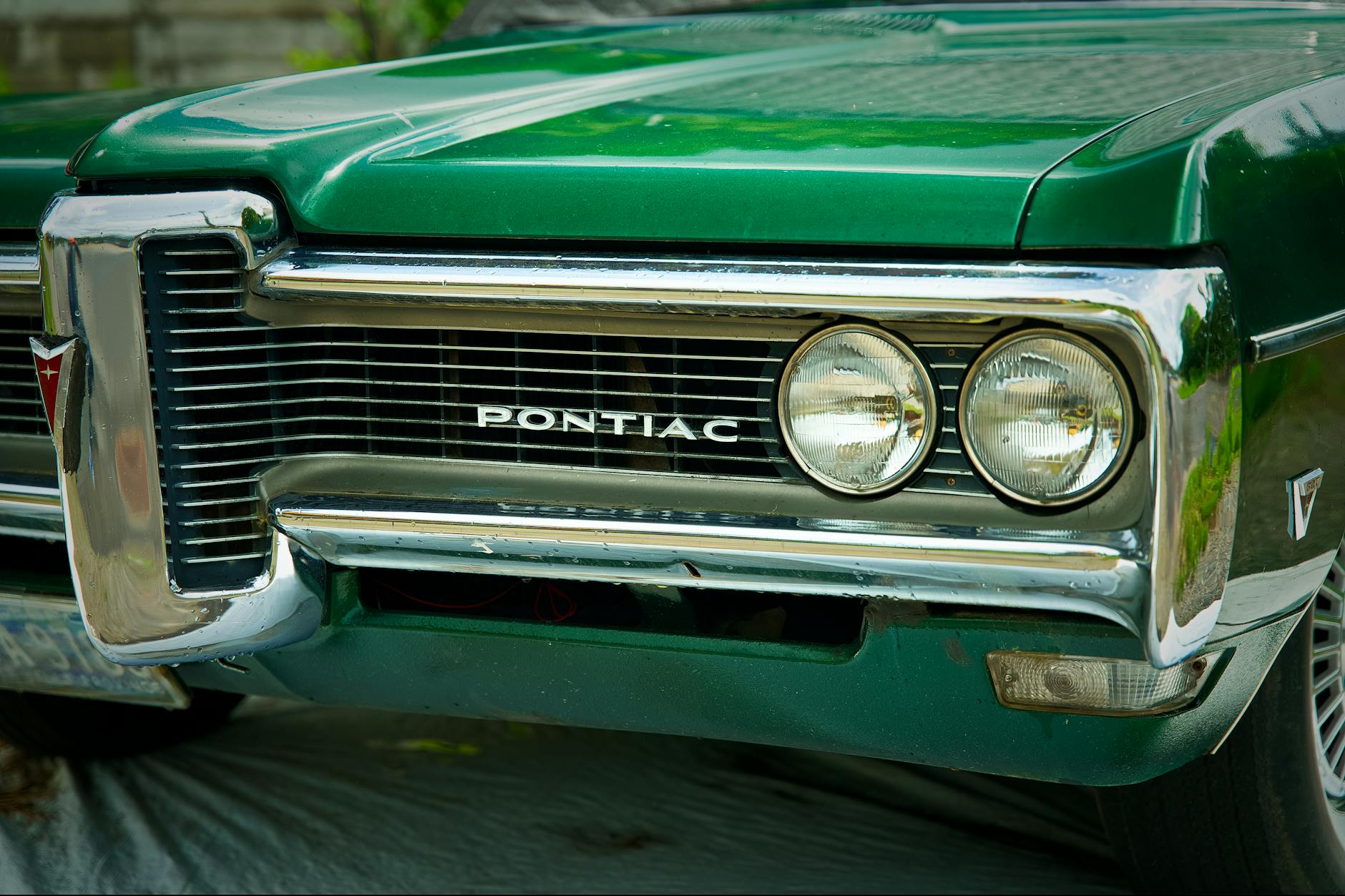
Gas Was 30 Cents, Maps Were Paper, and Nobody Cared If You Got Lost: The Great American Road Trip Then vs. Now
There's something about the idea of driving across America that still stirs something in people. The open road. The wide sky over the Plains. The sense that the country is bigger than any single life can contain. That feeling hasn't gone anywhere. But the actual experience of getting in a car and doing it? Almost unrecognizable compared to sixty years ago.
Let's flip the era back to 1965 and see what it actually took.
Life Before the GPS Voice Told You to Turn Left
Before you left the driveway in 1965, you sat down with a Rand McNally road atlas and planned your route by hand. You highlighted roads with a pen, wrote down the names of towns where you'd stop for gas, and maybe called ahead to a motel — if you had a phone number for one. There was no app to compare prices, no reviews, no satellite image of the parking lot. You were working from paper, instinct, and word of mouth.
The interstate highway system had only been under construction for about nine years at that point. Eisenhower signed the Federal Aid Highway Act in 1956, but in 1965, large stretches of the country were still stitched together by older two-lane roads. Depending on your route, you might spend hours on US Route 66 or US-40, passing through actual town centers rather than bypassing them entirely.
That meant something. You stopped in places because you had to — for gas, for food, for a bathroom. And those stops put you in contact with people and places that a modern highway interchange simply doesn't offer.
What the Drive Actually Felt Like
The cars of the mid-60s were big, loud, and almost entirely without the comforts modern drivers take for granted. Air conditioning existed but was far from standard — many families crossed the Mojave Desert with the windows down and a wet cloth on the dashboard. Seat belts were optional in most states and rarely used. There were no cup holders, no backup cameras, no Bluetooth.
Gas cost roughly 30 cents a gallon, which sounds like a dream until you factor in that a V8 engine from that era might get 12 to 15 miles per gallon on a good day. You stopped often. At full-service stations, an attendant pumped the gas, checked your oil, and cleaned your windshield without being asked. That was just how it worked.
Food meant diners. Actual roadside diners, often family-owned, serving hot coffee and blue-plate specials at every reasonable interval. Chain restaurants existed but hadn't yet colonized every exit ramp. The food was inconsistent — sometimes great, sometimes forgettable — but it was local, and it was human.
The Same Road in 2025
Flash forward to today. You open Google Maps, type in your destination, and your phone calculates real-time traffic, construction detours, and estimated arrival times down to the minute. You can pre-book every hotel, pre-download every podcast, and pre-order your coffee at the Starbucks on exit 214 before you've even merged onto the freeway.
Electric vehicle drivers now plan routes around fast-charger locations — a completely new layer of infrastructure that didn't exist a decade ago, let alone in 1965. Tesla Superchargers, Electrify America stations, and ChargePoint locations have begun reshaping where road trippers stop, not unlike how gas stations once did. The infrastructure is still catching up, but it's moving fast.
The interstates are largely complete now, which means you can drive from New York to Los Angeles without ever passing through a town center. Efficiency is extraordinary. The sense of accidental discovery? Much harder to come by.
What We Gained — and What We Quietly Traded Away
The honest answer is that both versions of the road trip have real value, just different kinds.
Today's version is safer by almost every measurable standard. Modern vehicles have crumple zones, airbags, lane-departure warnings, and automatic emergency braking. The fatality rate per mile driven has dropped dramatically since the 1960s. You are statistically far less likely to die on a cross-country drive than your grandparents were.
Navigation is effortless. You'll never spend three hours lost in rural Kansas because you missed a turn on a map that was already out of date. You can find a clean, reasonably priced motel at 10pm with four good reviews and a working air conditioner. These are not small things.
But there's a texture to older road trip stories that's harder to replicate now. The 1965 version forced a kind of engagement with the country — with its geography, its people, its unpredictability — that modern convenience has smoothed over. Getting a little lost, eating at a diner because it was the only option, asking a stranger for directions: those experiences built a different relationship with the landscape.
Some travelers are actively trying to recapture that. The rise of "slow travel" and the ongoing popularity of Route 66 tourism suggest that plenty of Americans sense something missing in the optimized version of the open road.
The Road Is the Same. The Journey Isn't.
The asphalt connecting the coasts hasn't changed in its basic purpose. You still get in a car and drive. The sky is still wide over the Plains. But the experience layered on top of that asphalt has been rebuilt almost entirely — from the fuel in the tank to the voice in the dashboard to the way you find dinner.
Whether that's progress depends on what you were looking for in the first place. If it was efficiency and safety, absolutely. If it was the particular thrill of navigating an uncertain world with a paper map and a tank of 30-cent gas — well, that version of the trip has been flipped to a different era entirely.