When Your Pharmacist Knew Your Mother's Maiden Name
Walk into Peterson's Pharmacy in downtown Minneapolis in 1965, and Harold Peterson would look up from behind the prescription counter with genuine recognition. Not because you were a regular customer, but because he had filled prescriptions for your grandmother's arthritis, your mother's pregnancy vitamins, and your own childhood ear infections. He knew your family's medical history like a family tree—which medications worked, which caused reactions, and which doctor prescribed what for whom.
"Mr. Peterson knew more about our health than we did," recalls Janet Morrison, whose family patronized the pharmacy for three decades. "He'd see me coming in with a prescription and say, 'This is going to upset your stomach just like it did your sister. Take it with milk.' He was right every time."
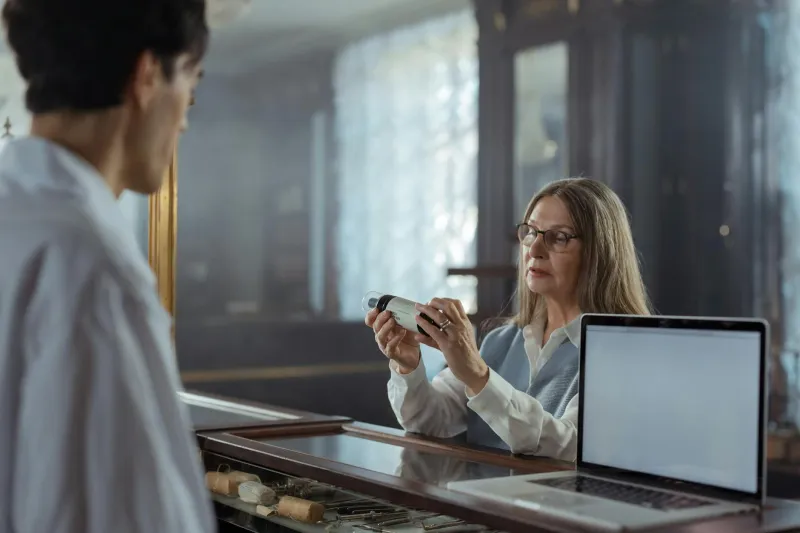
This wasn't unusual neighborhood service—it was standard pharmaceutical care. The corner pharmacist served as a bridge between doctors and patients, a medical advisor who combined professional expertise with intimate knowledge of the families they served. They mixed compounds by hand, offered medical advice freely, and often caught dangerous drug interactions that busy doctors missed.
Today, that relationship has been automated out of existence.
The Death of the Corner Drugstore
Independent pharmacies once anchored American neighborhoods like gas stations and grocery stores. In 1960, nearly 90% of pharmacies were independently owned, typically by the pharmacist who worked behind the counter. These weren't just places to pick up prescriptions—they were community health centers where people sought advice for everything from rashes to insomnia.
Pharmacist Robert Klein, who owned Klein's Pharmacy in Chicago from 1958 to 1995, remembers the scope of his daily consultations: "People would come in with symptoms, and I'd recommend whether they needed to see a doctor or could treat it themselves. I kept track of everyone's medications, watched for interactions, and knew which generic brands worked best for which conditions. It was healthcare, not just retail."
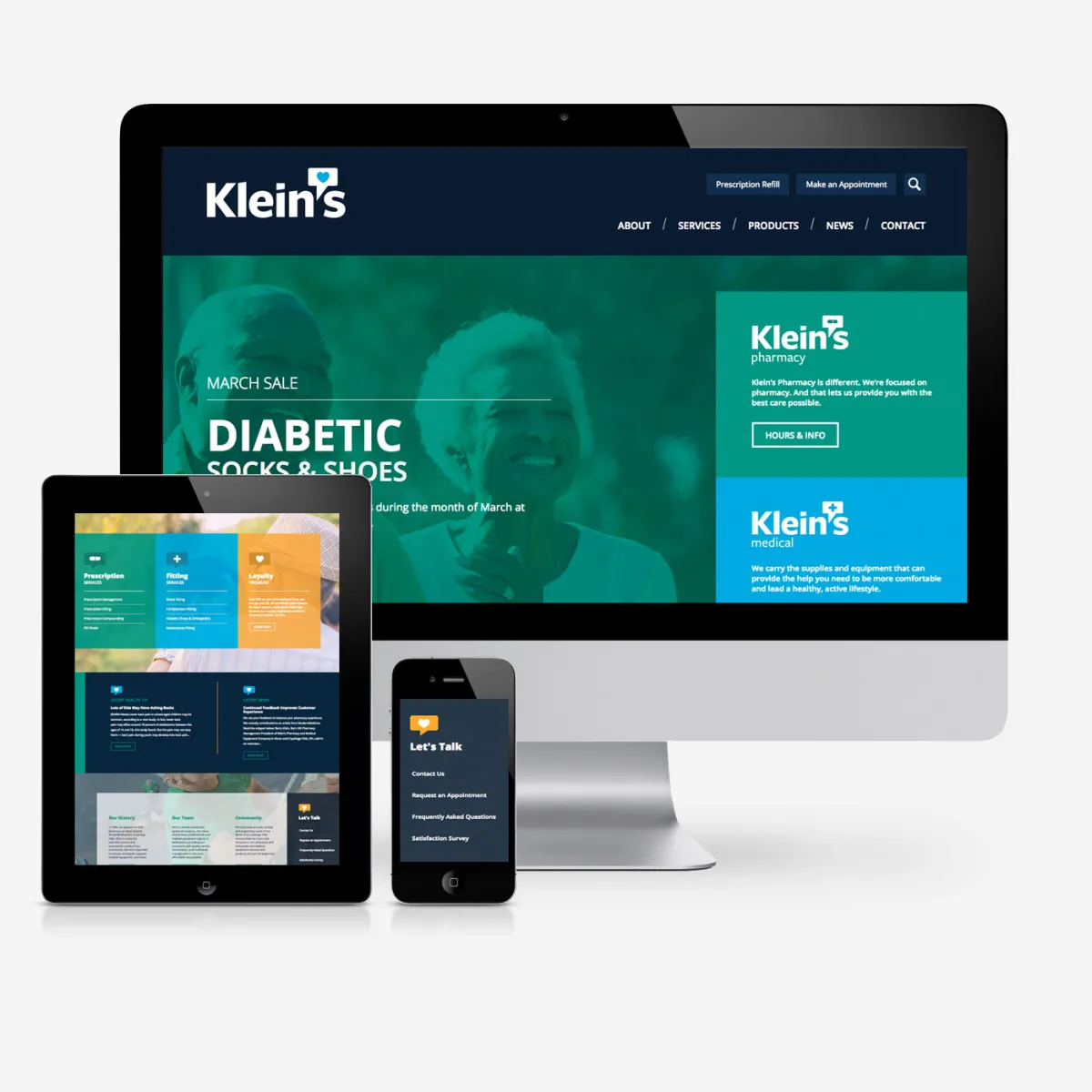 Photo: Klein's Pharmacy, via www.triadadv.com
The pharmacist's role extended far beyond dispensing pills. They mixed custom medications, created specialized compounds for individual patients, and served as accessible medical advisors when doctors weren't available. Many kept detailed patient files that tracked medication effectiveness, side effects, and family medical patterns across generations.
When Chains Conquered Care
The transformation began in the 1980s as chain pharmacies expanded aggressively, offering lower prices and greater convenience than independent stores. CVS, Walgreens, and Rite Aid could negotiate better deals with suppliers, stay open longer hours, and process prescriptions faster through computerized systems.
But efficiency came at a cost. Chain pharmacies prioritized volume over relationships, speed over consultation. The neighborhood pharmacist who knew your medical history was replaced by rotating staff members who might see hundreds of customers per day. Personal service gave way to drive-through windows and automated prescription systems.
By 2020, independent pharmacies comprised less than 35% of the market. The corner drugstore—with its personal service and deep community connections—had largely disappeared from American life.
The Pill-Counting Machine Era
Modern pharmacy work bears little resemblance to the profession Harold Peterson practiced. Today's pharmacists spend most of their time managing insurance authorizations, operating automated dispensing systems, and meeting corporate quotas for prescription volume. The average chain pharmacy processes 300-400 prescriptions daily, compared to 50-75 at a typical independent pharmacy in the 1960s.
Dr. Lisa Chen, a pharmacist at a busy CVS in suburban Atlanta, describes the reality: "I barely have time to check for basic drug interactions, let alone have meaningful conversations with patients. The computer flags obvious problems, but I don't know these people's medical histories or family situations. I'm scanning barcodes and counting pills, not providing healthcare advice."
The automation that was supposed to free pharmacists for patient care instead created pressure to process more prescriptions faster. Corporate metrics reward speed and volume, not the time-intensive consultations that once defined pharmaceutical care.
What Technology Took Away
Computerized systems eliminated many of the personal touches that characterized traditional pharmacy care. Automated dispensing machines count pills with perfect accuracy, but they can't notice that Mrs. Johnson looks unusually tired or that her prescription pattern suggests her diabetes isn't well controlled.
The old card files that pharmacists maintained by hand contained notes about patient preferences, family medical patterns, and treatment effectiveness that modern electronic systems rarely capture. Harold Peterson's handwritten notes might mention that a patient's mother had adverse reactions to certain antibiotics, or that a family tended to respond better to name-brand medications than generics.
"The computer knows what medications someone is taking, but it doesn't know the person," explains Dr. Michael Torres, who worked in independent pharmacies for 40 years before retiring in 2018. "I used to spot medication adherence problems just by looking at refill patterns and talking to patients. Now, that kind of observation gets lost in the volume."
The Insurance Bureaucracy Barrier
Perhaps nothing changed pharmaceutical care more dramatically than the rise of insurance-managed prescriptions. In the 1960s, most people paid cash for medications, and pharmacists could recommend the most appropriate option for each patient's needs and budget.
Today, insurance formularies dictate which medications patients can access, often overriding both doctor and pharmacist recommendations. Pharmacists spend enormous amounts of time navigating prior authorizations, step therapy requirements, and coverage restrictions—bureaucratic tasks that prevent them from focusing on patient care.
"I used to help people find the most effective medication they could afford," recalls Robert Klein. "Now, pharmacists spend half their time fighting with insurance companies about coverage. It's not healthcare—it's paperwork."
The Human Cost of Efficiency
The shift from relationship-based to transaction-based pharmacy care has had measurable health consequences. Studies show that patients who develop ongoing relationships with pharmacists have better medication adherence, fewer adverse drug reactions, and improved health outcomes overall.
But modern chain pharmacy operations make such relationships nearly impossible. High staff turnover, rotating schedules, and corporate pressure to minimize consultation time prevent the deep patient knowledge that once characterized pharmaceutical care.
Mary Patterson, now 78, still mourns the loss of her relationship with Harold Peterson: "He retired in 1987, and I've never had a pharmacist since then who knew anything about me personally. They're perfectly nice people, but they're strangers filling my prescriptions, not healthcare providers who understand my needs."
The Specialist Who Became a Cashier
Perhaps the most profound change is how the pharmacist's role has been diminished from healthcare professional to retail worker. In the 1960s, pharmacists commanded respect similar to doctors or dentists—they were healthcare specialists with deep knowledge and community standing.
Today, many patients view pharmacists as glorified cashiers who happen to work behind a higher counter. The expertise is still there, but the system doesn't allow time or space for it to be utilized effectively.
Dr. Sarah Williams, who graduated from pharmacy school in 2019, represents the current generation's frustration: "I studied for eight years to become a healthcare provider, but I spend most of my time processing insurance claims and meeting quotas. Patients need medication counseling and health advice, but corporate policies prioritize speed over care."
What We Lost When the Corner Drugstore Died
The disappearance of the neighborhood pharmacist represents more than just economic consolidation—it's the loss of a crucial healthcare relationship that helped millions of Americans manage their health more effectively. The pharmacist who knew your family's medical history, caught dangerous drug interactions, and provided accessible healthcare advice has been replaced by efficient systems that prioritize speed over care.
In our rush toward pharmaceutical efficiency, we may have automated away one of healthcare's most valuable human connections. The corner drugstore wasn't just about convenience—it was about having a healthcare professional who knew you as a person, not just a prescription number.
Today's pharmacy experience might be faster and more convenient, but it's also more impersonal and less effective at providing the kind of individualized care that helps people stay healthy. We gained efficiency and lost expertise, prioritized volume over relationships, and turned healthcare specialists into barcode scanners.
Somewhere between the corner drugstore and the drive-through window, American healthcare lost one of its most trusted advisors.