The Day a Baseball Game Stopped Being a Working-Class Afternoon
The Day a Baseball Game Stopped Being a Working-Class Afternoon
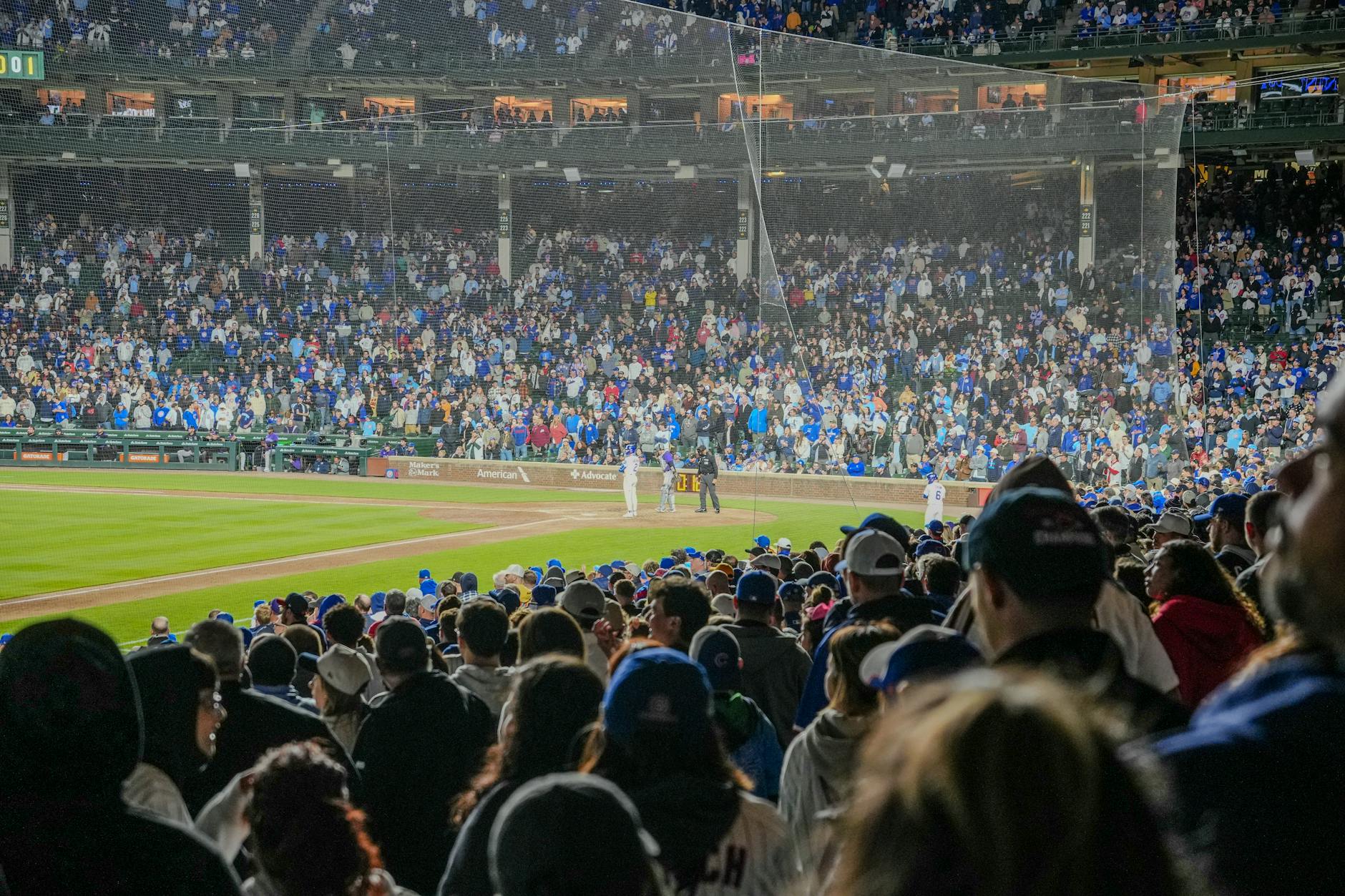
There's a photograph that lives rent-free in the memory of anyone who grew up going to games in the 1970s or 80s. Bleacher seats packed with ordinary-looking people — guys in regular T-shirts, families with brown-bag lunches, kids with scorecards. Nobody's wearing a $165 jersey. Nobody's in a climate-controlled suite ordering from a tablet. They're just at the game, because going to the game was something regular people did.
That version of the American sports experience didn't disappear in a dramatic moment. It just quietly became unaffordable — and then, for a lot of families, unthinkable.
What a Ticket Actually Cost
Let's get specific, because the numbers tell the story better than anything else.
In 1985, the average MLB ticket price was around $6. Adjusted for inflation, that's roughly $17 in today's dollars. The actual average MLB ticket price in 2024? Closer to $35 to $40 — and that's before you factor in that the cheapest seats at marquee franchises like the Yankees, Dodgers, or Red Sox routinely start at $60 to $80 for a mid-week regular season game.
NFL games in the late 1970s averaged around $10 a ticket — about $48 in today's money. The real-world average for an NFL ticket in 2024 sits above $150, with playoff games and prime matchups pushing well past $300 on the secondary market.
But the ticket is almost beside the point now. It's the ecosystem around it.
The $18 Beer and the $7 Bottle of Water
In 1983, a hot dog at a major league ballpark cost around 75 cents. A beer was maybe $1.50. You could bring your own snacks in without anyone stopping you. Parking, if you drove, was a few bucks in a nearby lot.
Today, stadium concessions have become their own economy. A domestic beer at many major venues runs $12 to $18. A basic hot dog is $7. Bottled water — water — often costs $5 to $6. Parking at a stadium lot? Anywhere from $30 to $60 in major markets.
A family of four attending an average MLB game in 2024, accounting for tickets, concessions, parking, and a program or two, will spend somewhere between $200 and $400 depending on the market. For a family earning the US median household income, that's not a casual Saturday. That's a budgeted event — or a sacrifice.
Walk-Up Windows to Waiting Lists
There's another shift that doesn't get talked about enough: the death of spontaneity.
In the 1970s and 80s, you could show up to a game on a whim. Walk up to the box office, buy a ticket, find a seat. Many stadiums had general admission sections where you just... sat wherever. The whole experience was loose and accessible in a way that felt democratic.
Now, most major franchises have moved to fully digital ticketing — some have eliminated physical tickets entirely. You need a smartphone, an app, and often a verified account to get through the gate. Dynamic pricing algorithms, borrowed from the airline industry, mean ticket prices fluctuate based on demand, weather forecasts, and opponent quality. That $35 ticket you saw on Monday might be $90 by Friday night.
Season ticket packages for premium seats at top franchises involve waiting lists that stretch years. The Buffalo Bills' season ticket waitlist has historically been measured in decades.
The Rise of the Luxury Box — and Who It's Really For
Perhaps nothing captures the transformation better than the luxury suite.
When Yankee Stadium opened in 1923, the concept didn't exist. The stadium was built for the crowd — the roaring, general-admission crowd. Modern stadiums are often designed with a different priority in mind. Luxury suites, club levels, and premium seating zones generate disproportionate revenue for franchises, and they've reshaped the physical architecture of the fan experience.
At SoFi Stadium in Los Angeles, opened in 2020 at a cost of $5.5 billion, premium club memberships can run into the tens of thousands of dollars annually. The people in those sections aren't necessarily die-hard fans. They're often corporate clients, business partners, and executives for whom the game is a backdrop to a meeting.
The working-class season ticket holder — the factory worker, the postal employee, the teacher who saved up — has been gradually priced out of the best seats, then the decent seats, and in some markets, the stadium entirely.
What Sports Used to Mean
Professional sports in mid-20th century America served a genuinely communal function. The local team was a shared identity that cut across income levels. You cheered alongside your boss and your mechanic. The game was a place where class distinctions blurred, at least for nine innings.
That social glue is harder to maintain when the experience is tiered by income. When the person in row 1 is a hedge fund manager entertaining clients and the person in the nosebleeds paid $80 to sit in the sun, the shared experience starts to feel like a polite fiction.
More Americans now watch sports from home than ever before — driven partly by the quality of broadcasts, but also partly because the math simply stopped working. A 4K television and a streaming subscription is a one-time cost. Four stadium tickets is a recurring sacrifice.
The Flip Side
To be fair, today's fan experience has real upgrades. Stadiums are safer and cleaner. Sightlines are better. The food options — when you can afford them — have expanded well beyond rubbery hot dogs. And broadcast technology means you can watch any game, from any market, in more detail than a front-row seat would have offered in 1978.
But something less tangible has been lost. The sense that the stadium belonged to everyone. That you didn't need to plan three weeks ahead, download two apps, and spend half a paycheck just to watch your team play ball on a Tuesday night.
The game is still great. The access is the part that changed.